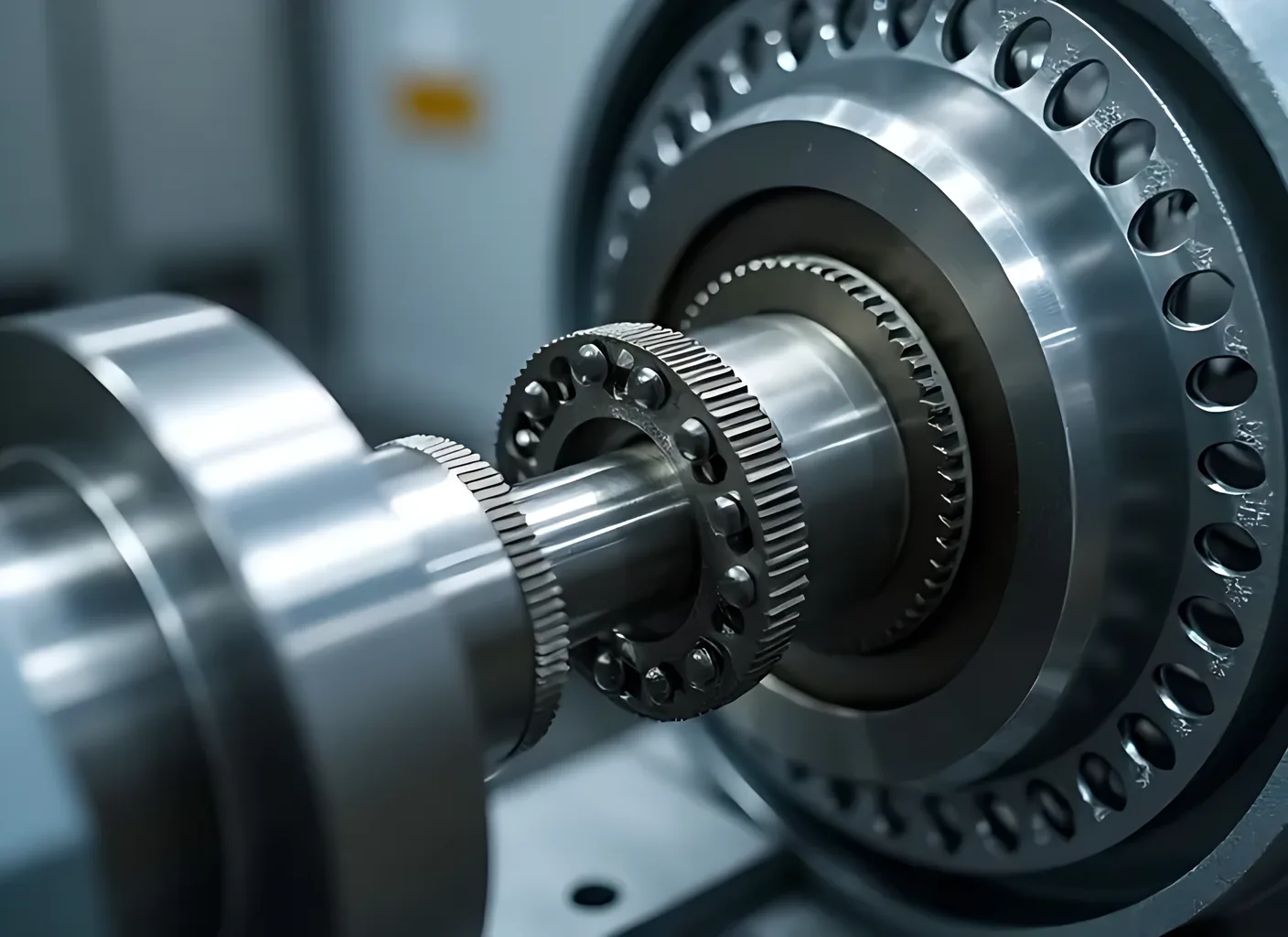
Both machines press material through holes in a die to make pellets, but they are built for very different jobs. Choosing the wrong type is one of the most expensive mistakes a new pellet or feed business can make.
How a flat die mill works
In a flat die mill the die is a horizontal disc. Rollers turn on top of it and press the material down through the holes. The design is simple and compact, which keeps the purchase price low.
How a ring die mill works
In a ring die mill the die is a vertical ring that rotates around stationary rollers. Material is pressed outwards through the holes, and the large die surface spreads wear and heat evenly. Ring die mills are normally fed through a steam conditioner, which improves pellet durability for feed.
Side-by-side comparison
| Flat die | Ring die | |
|---|---|---|
| Typical use | Small farms, trials, small biomass units | Commercial feed mills and pellet plants |
| Capacity | Low – usually below 1 t/h | High – 2 to 35 t/h for SZLH models |
| Steam conditioning | Rare | Standard |
| Die life | Shorter; wear is uneven across the disc | Longer; wear is spread over a large ring |
| Pellet quality | Good for simple recipes | Uniform and durable, suited to feed standards |
| Running | Short shifts | Continuous industrial duty |
| Price | Lower | Higher, but lower cost per ton |
Which should you choose?
- Choose a flat die mill if you need a few hundred kilograms per hour for your own farm or for testing a raw material.
- Choose a ring die mill if you sell feed or fuel pellets, run more than one shift, or need consistent quality to a standard.
For commercial plants, the cost per ton matters more than the price of the machine. Ring die mills use energy more efficiently at scale, keep running for longer between die changes and produce pellets that survive transport.
SEMZON builds SZLH ring die pellet mills from 2 to 35 t/h and complete pellet lines. Not sure which size you need? Ask our engineers.
Frequently asked questions
Is a flat die pellet mill good enough for a small feed business?
For a farm producing feed for its own animals, yes. As soon as you sell feed or run more than one shift, a ring die mill gives a lower cost per ton and more consistent pellets.
Why do ring die mills need steam?
Steam heats and softens the mash so it binds better and flows through the die with less force. The result is harder pellets, less dust and lower die wear.
Which mill is better for wood pellets?
For commercial wood pellet production a ring die mill is the standard choice, because it runs continuously and handles the high pressure that wood needs.