Biomass often arrives at 35–45% moisture. A rotary dryer brings it to 10–12% for strong pellets.
Many kinds of biomass
Chipping, grinding and screening routes are configured for sawdust, chips, husk, straw or stalks.
Die wear and power use
Correct particle size, moisture and die selection lower power consumption and extend die life.
Dust and safety
Cyclones and blowers collect dust from the dryer and grinding sections.
Our approach
From Waste to Saleable Fuel
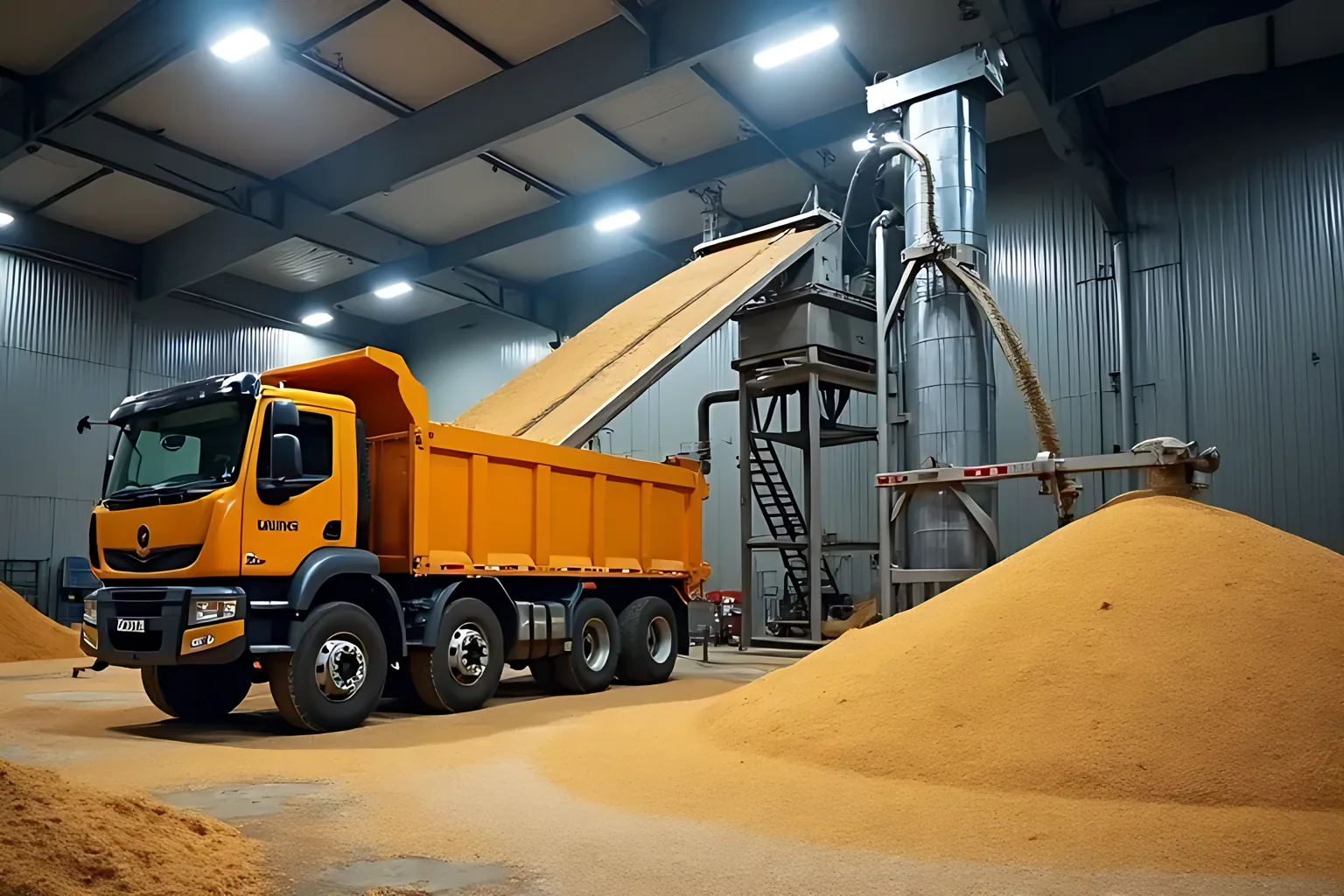
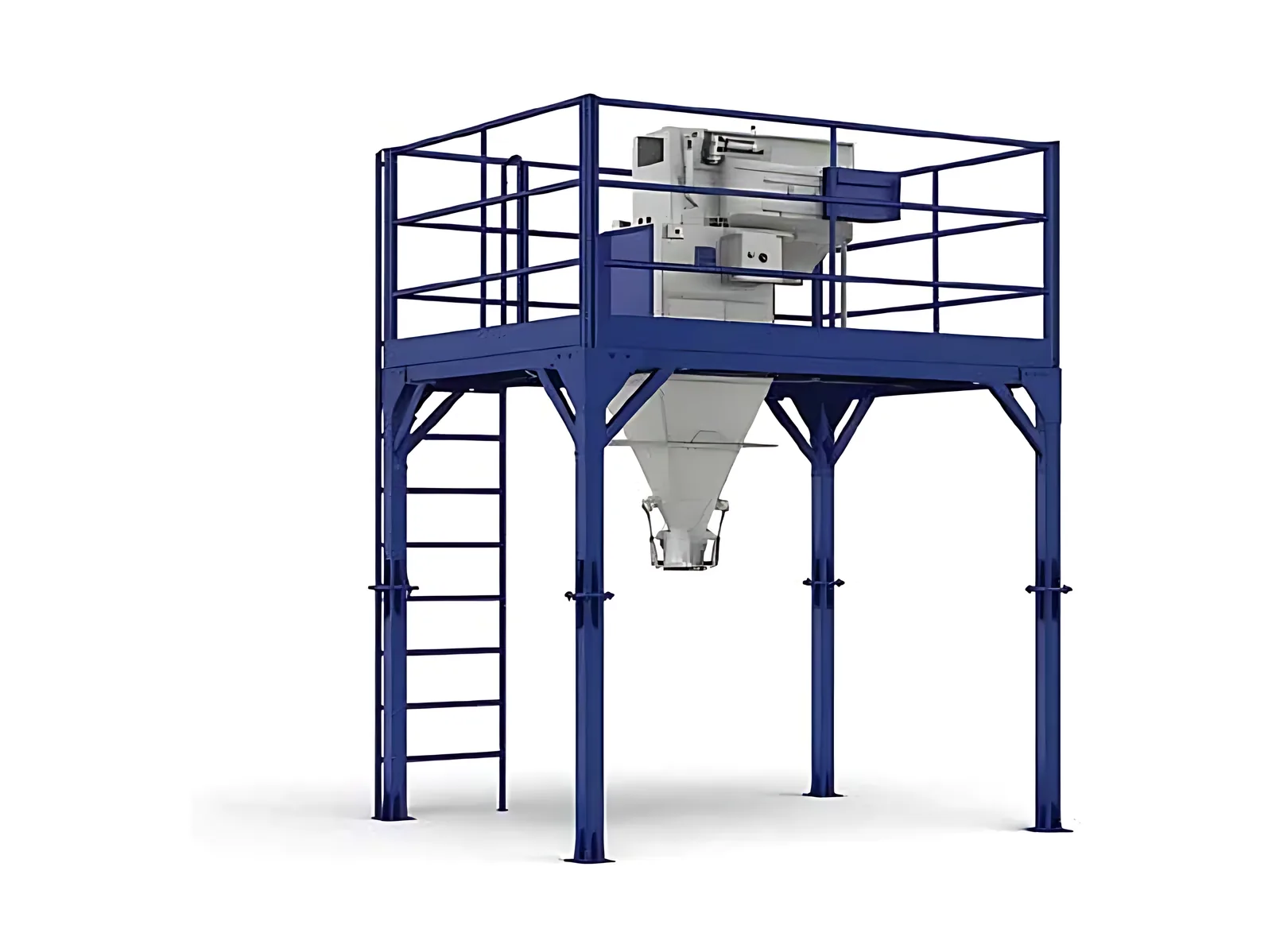
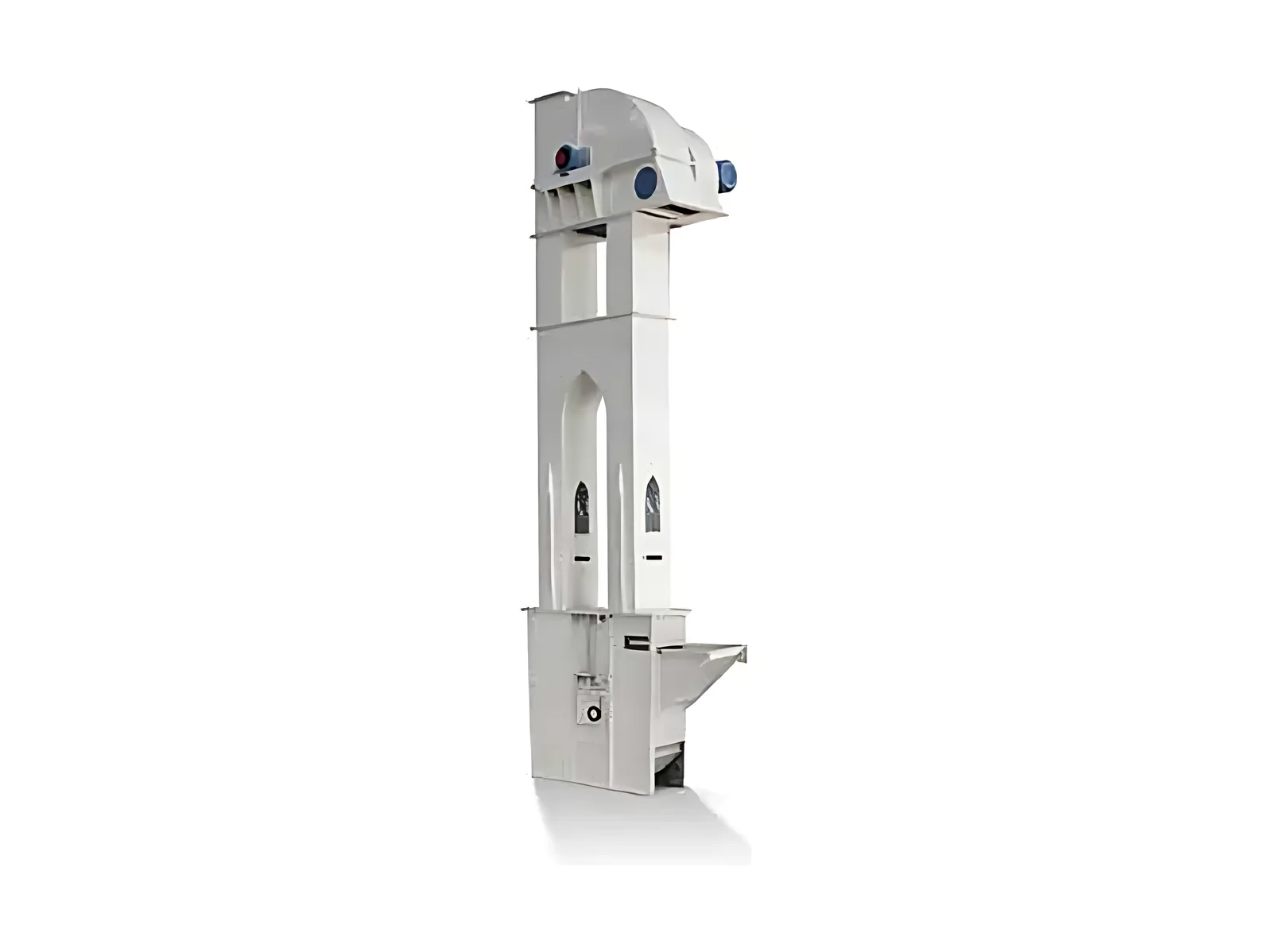
A SEMZON biomass line covers crushing, grinding, cleaning, drying, mixing, pelleting, cooling and packing. We size each section for your raw material and output, from 1 to 20 t/h, and install the plant with your team.
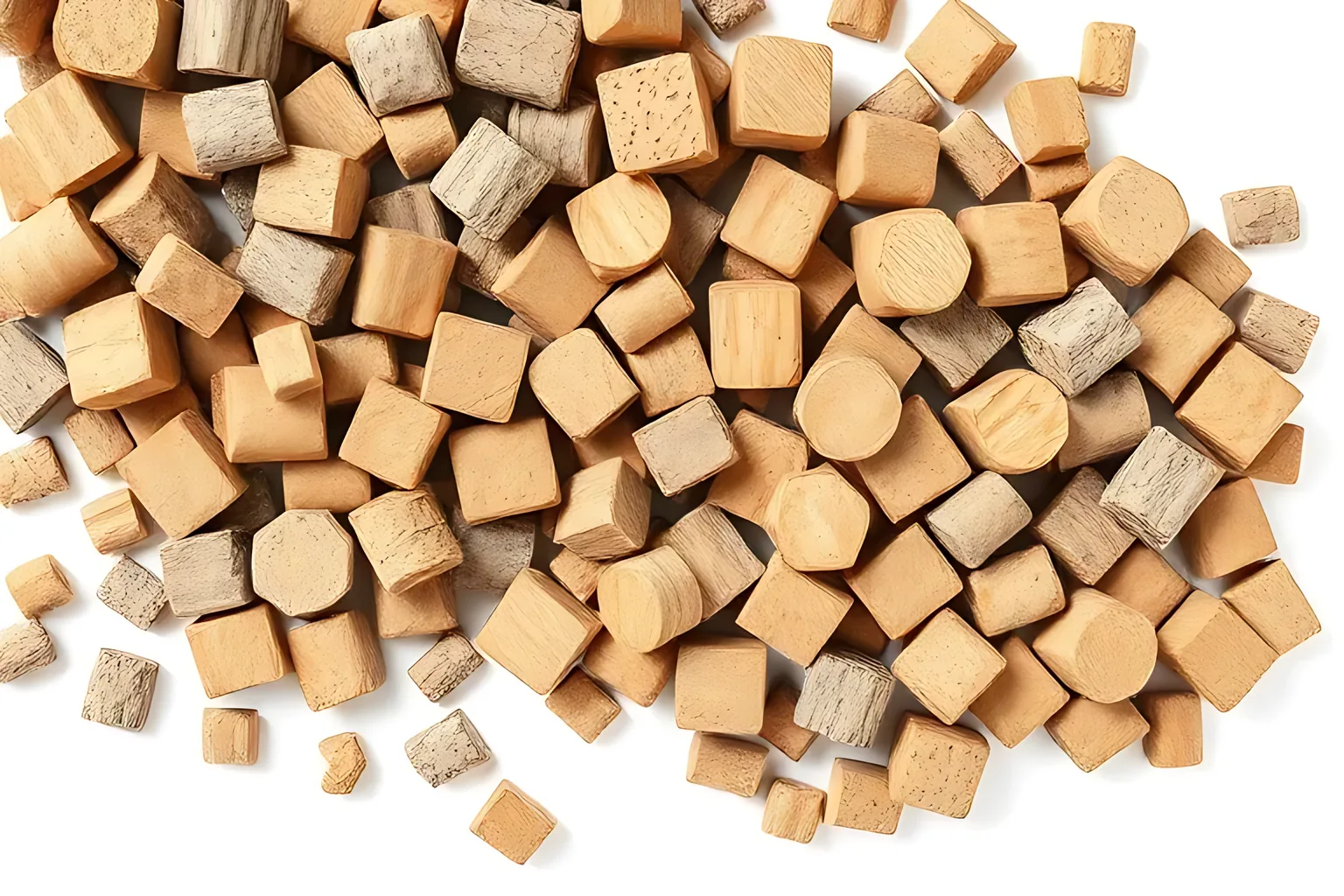
Sawdust, wood chips, rice husk, cotton stalks, wheat straw and other crop residues. Mixed materials work well when ground and dried to a uniform condition.
What capacity biomass plants do you build?
Biomass production plants from 1 to 20 t/h, with one or more ring die pellet mills.
Who buys biomass pellets?
Industrial boilers, brick kilns, poultry farm heaters, textile and food factories, and buyers who need a renewable alternative to coal and gas.
Do I need a dryer?
If your material is above about 12–15% moisture, yes. Sawdust and chips usually need drying; dry rice husk often does not.
Start Your Project
Let’s Build Your Industrial Solution
Tell us about your capacity, raw material and site. Our engineering team will design a custom turnkey solution tailored to your exact requirements and budget.