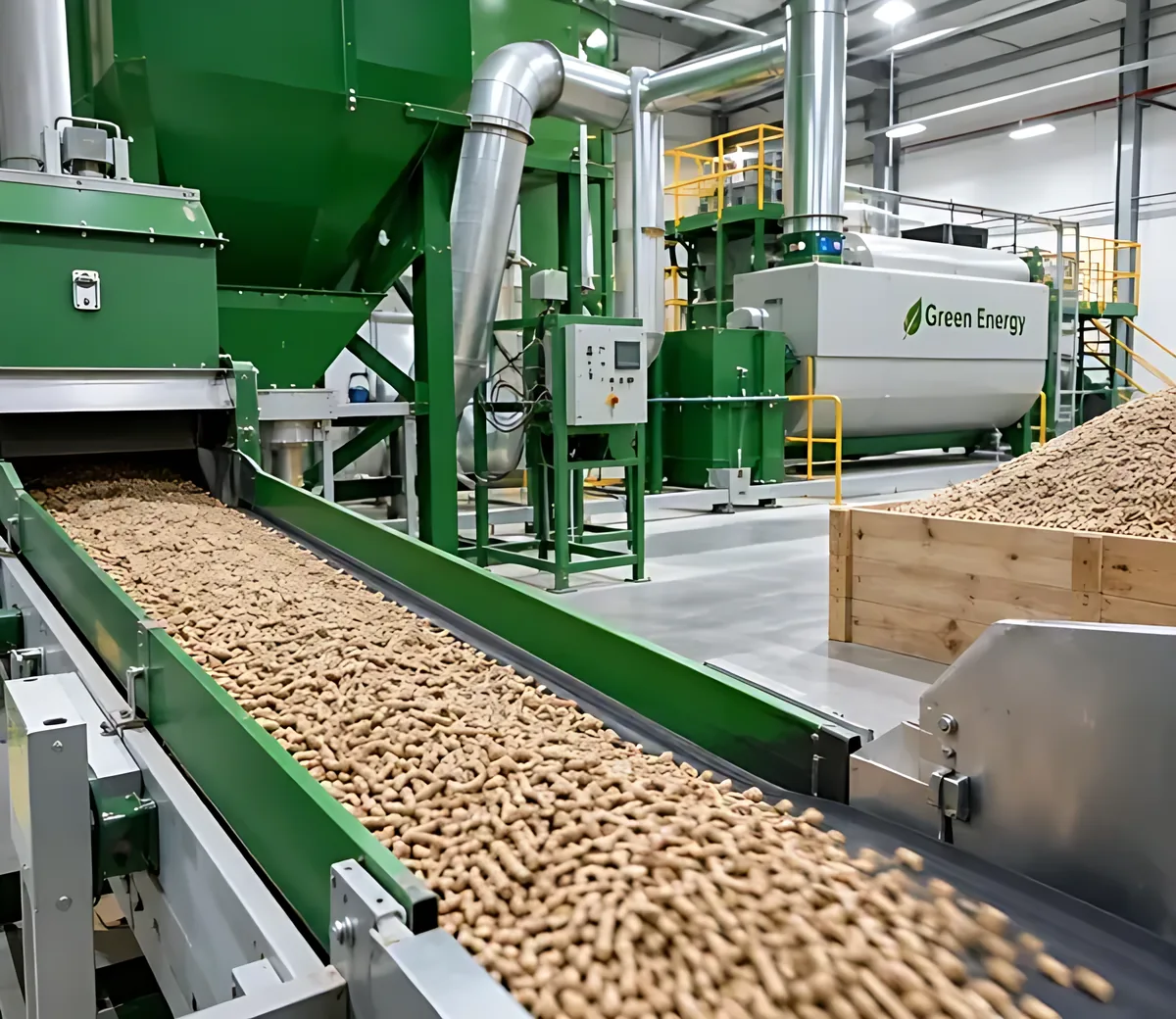
Turn sawdust, rice husk, wood chips and crop residue into dense, clean-burning fuel pellets. Complete biomass pellet lines from 1 to 20 tons per hour, built in Lahore.
Pakistan produces huge volumes of sawdust, rice husk, cotton stalks, wheat straw and wood waste. Pelletized, this low-value material becomes a dense fuel that is easy to store, transport and burn in boilers, kilns and industrial heaters.
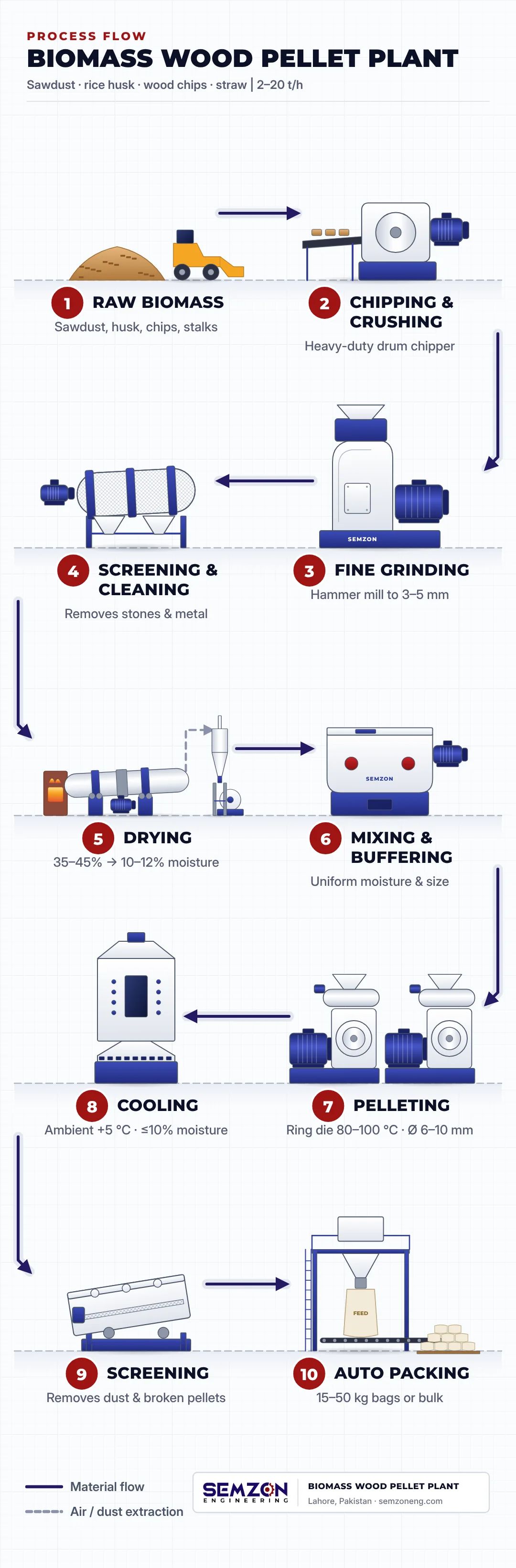
A SEMZON biomass line takes care of every step: a heavy-duty chipper and hammer mill to size the material, a rotary dryer with hot-air furnace, cyclone and blower that brings moisture from 35–45% down to 10–12%, a mixer for uniform feed, ring die pellet mills that press 6–10 mm pellets at 80–100 °C, and a cooler, vibrating screen and automatic packing.
Sawdust, rice husk, wood chips, straw or cotton stalks are collected in the yard and fed into the line with a loader or belt conveyor.
02
Step 2
Chipping & crushing
A heavy-duty chipper with a compact, well-balanced structure reduces logs, branches and stalks to chips — high productivity, excellent chip quality and easy operation.
03
Step 3
Fine grinding
A hammer mill grinds the chips to a fine, uniform particle size so the material can be dried evenly and pressed into strong pellets.
04
Step 4
Screening & cleaning
A screener removes dust, husk, stones and magnetic impurities that would damage the pellet mill or lower pellet quality.
05
Step 5
Drying
A rotary dryer with a hot-air furnace reduces moisture from 35–45% to 10–12%, for efficient pelleting and stable burning. A cyclone and blower collect dust from the exhaust air.
06
Step 6
Mixing & buffering
The dried material is blended to an even moisture and particle distribution, which improves pellet density and durability.
07
Step 7
Pelleting
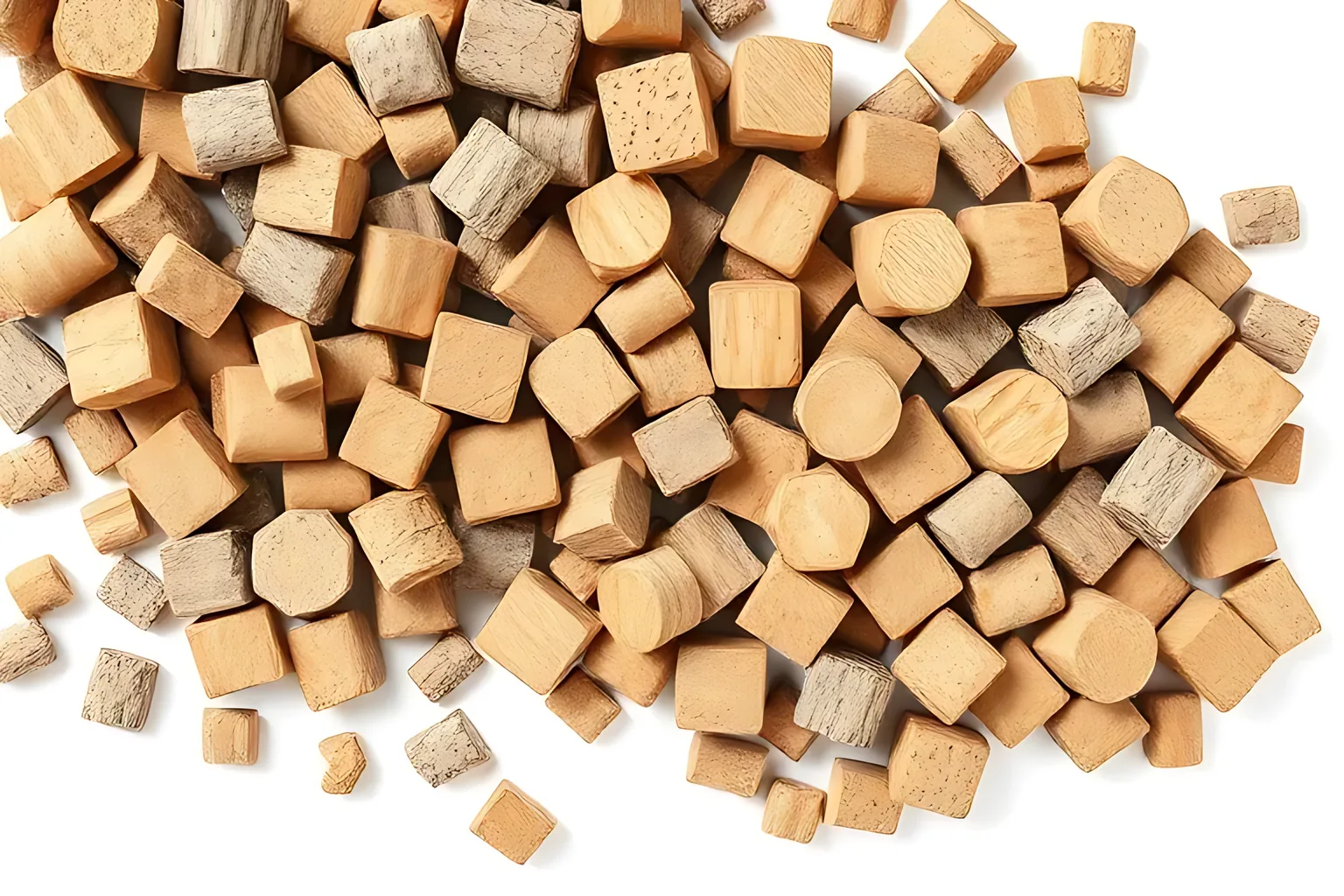
Ring die pellet mills compress the material at 80–100 °C into 6–10 mm pellets with high density and a smooth surface.
08
Step 8
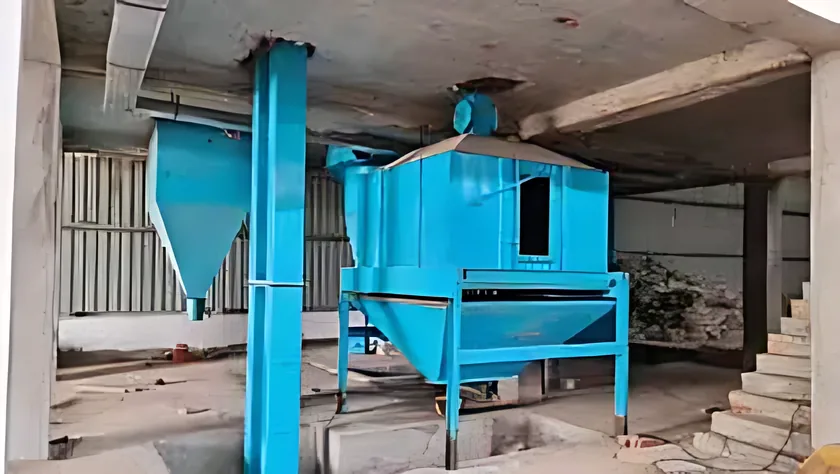
Cooling
Fresh pellets are cooled to ambient +5 °C and moisture falls to ≤10%, preventing cracks and mould during storage.
09
Step 9
Screening
A vibrating screen removes dust, powder and broken pellets so only consistent, high-quality pellets are packed.
10
Step 10
Auto packing
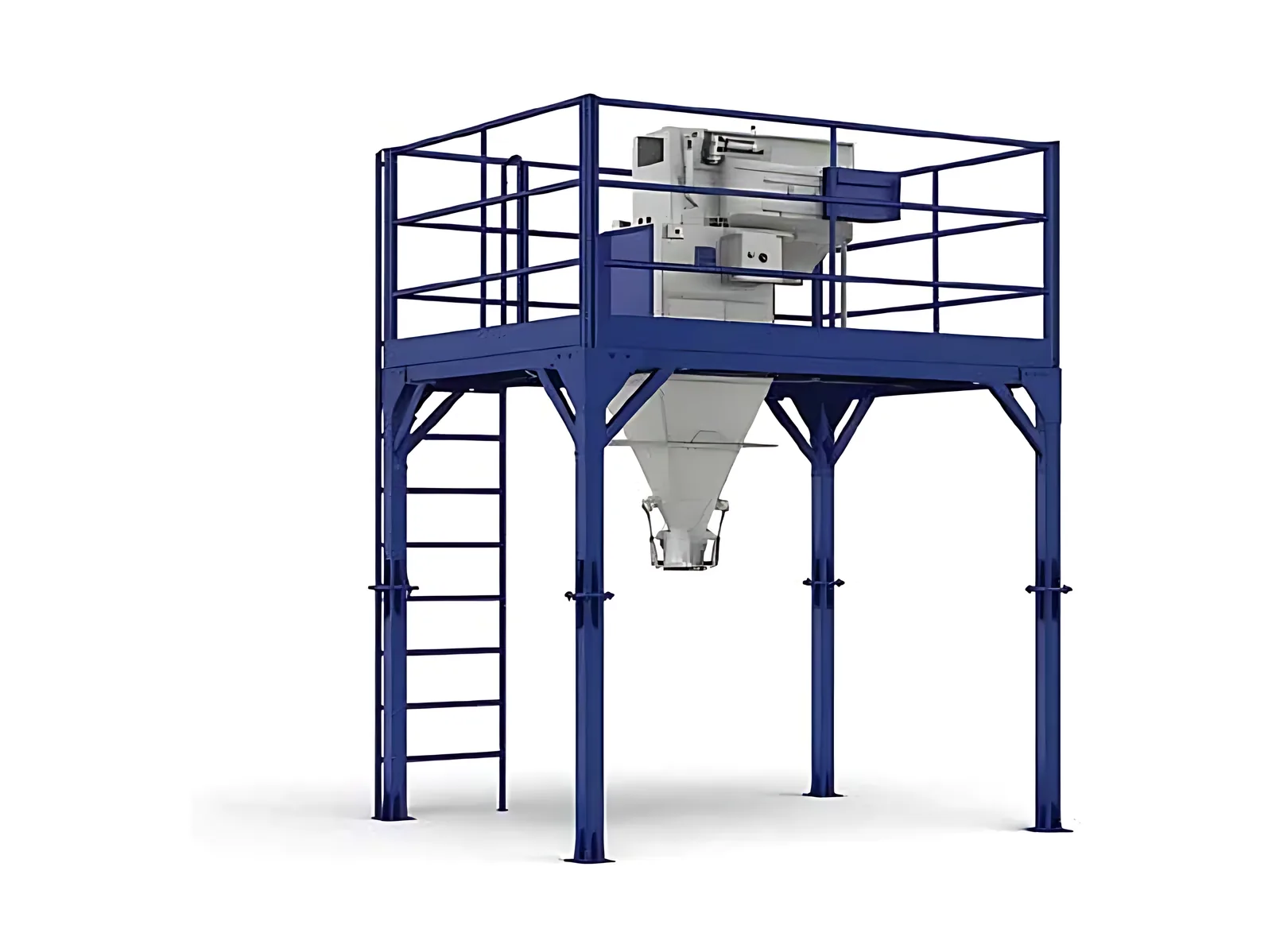
Finished pellets are automatically weighed and packed into 15–50 kg bags or loaded in bulk.
Equipment we supply
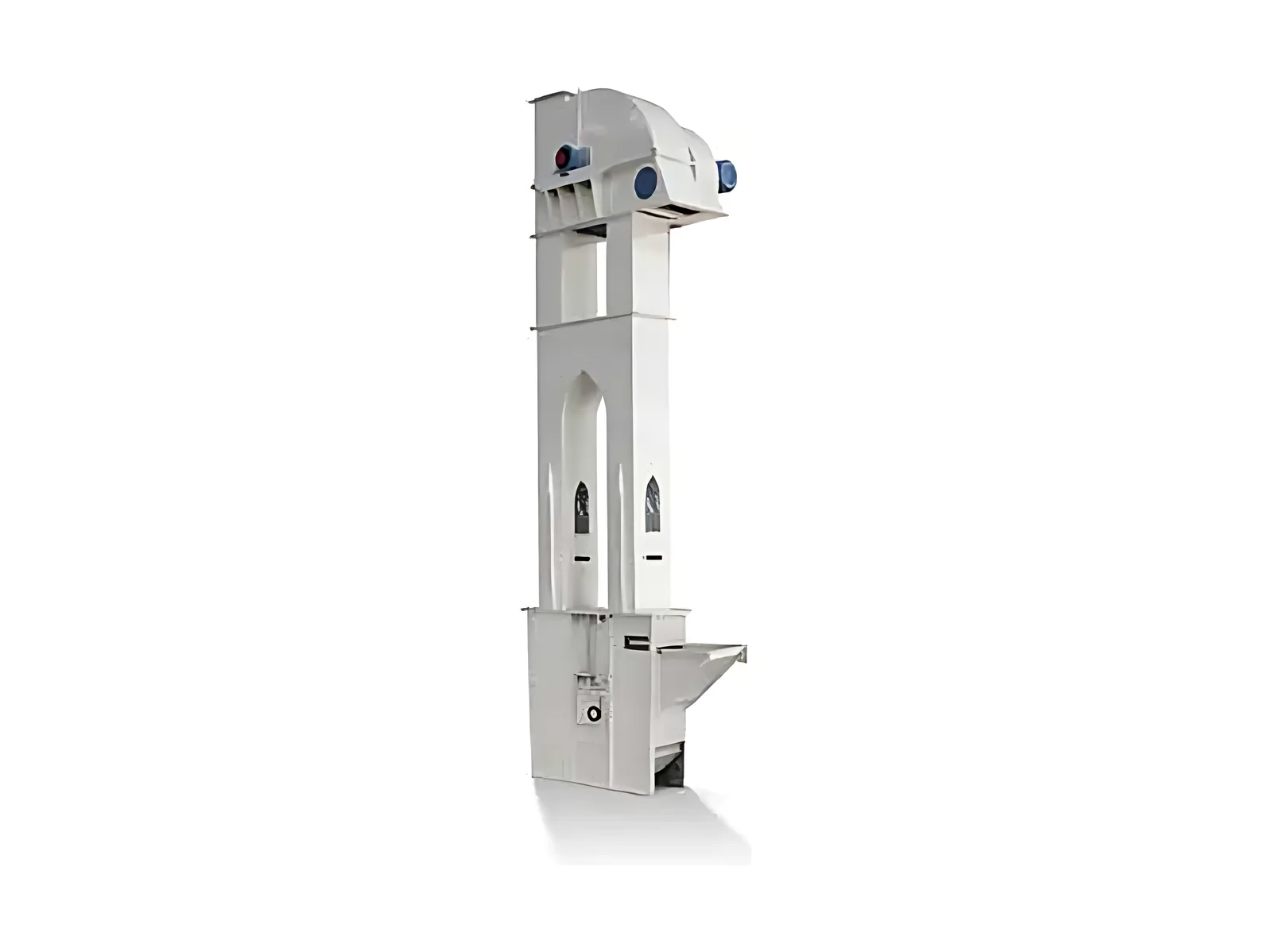
Machines in This Line
Every machine is designed and built for continuous industrial duty. Open a machine for full specifications.
What is the price of a biomass pellet plant in Pakistan?
Price depends on hourly capacity, the raw material (which decides whether you need a chipper and dryer), automation and packing. Tell us your material and target output and we will quote a complete line.
Which raw materials can be made into pellets?
Sawdust, wood chips, rice husk, cotton stalks, wheat straw and other agricultural residues. Mixed materials work well when they are ground and dried to a uniform condition.
Why is drying so important?
Biomass usually arrives at 35–45% moisture. It must be dried to about 10–12% before pelleting; wetter material blocks the die and makes weak pellets, while very dry material wears the die.
Can a feed pellet mill make wood pellets?
Wood needs more pressure and a different die than feed. We select the pellet mill, die thickness and motor power for biomass, and capacity per mill is lower than for feed.
Who buys biomass pellets?
Industrial boilers, brick kilns, poultry farm heaters, textile and food factories, and export buyers who need a renewable alternative to coal and gas.
Start Your Project
Let’s Build Your Industrial Solution
Tell us about your capacity, raw material and site. Our engineering team will design a custom turnkey solution tailored to your exact requirements and budget.