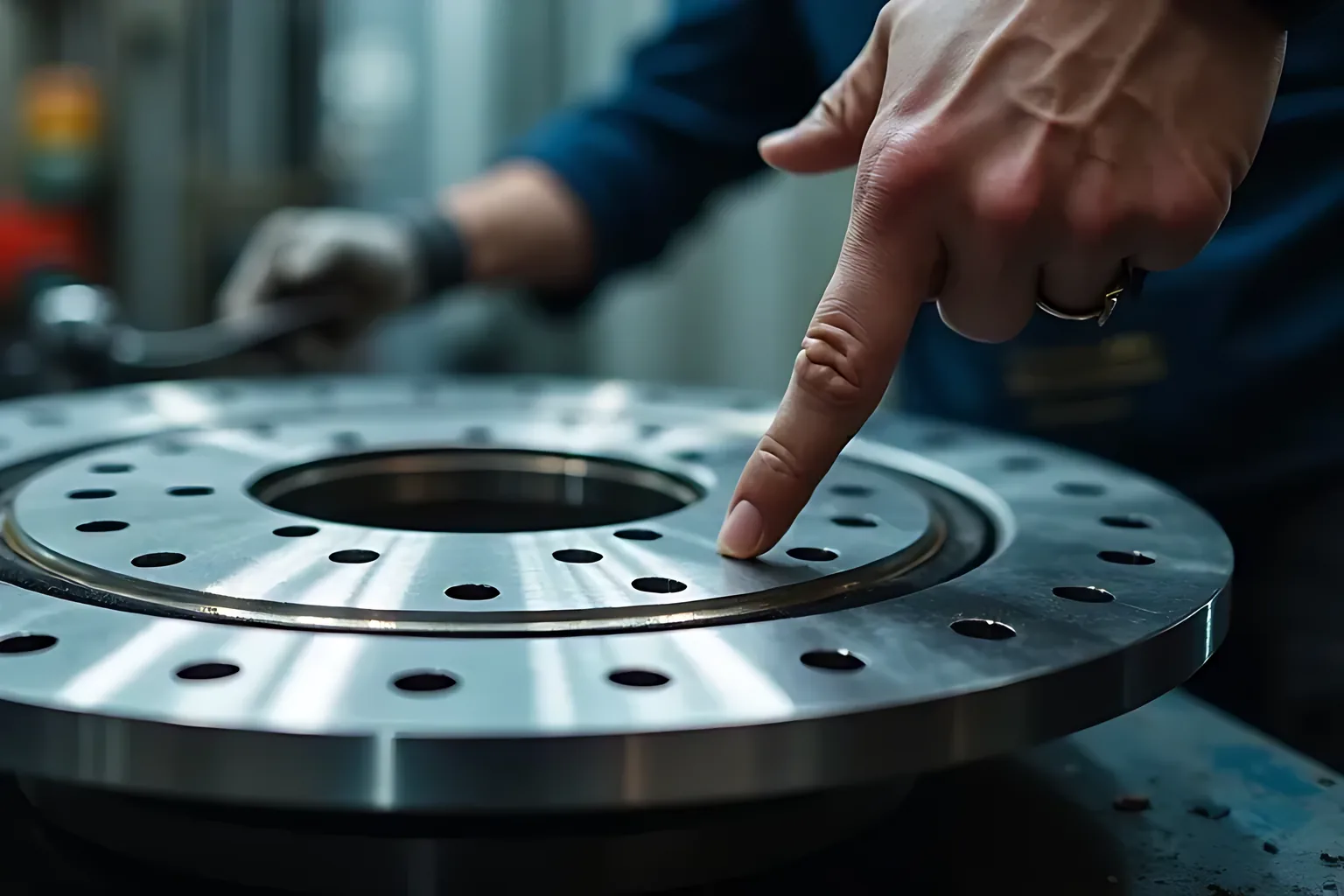
The ring die is the most expensive wear part in a pellet mill, and how it is treated decides how many tons it produces before it needs replacing. Most early die failures come from a handful of avoidable habits.
Run a new die in gently
New dies have rough hole walls. Run them in with a mild, slightly oily mash at reduced load until the holes polish and pellets come out smoothly. Pushing full production through a new die often blocks holes that are then hard to clear.
Set the roller gap correctly
Rollers should turn the die material through the holes without hitting the die. A gap that is too tight wears die and rollers quickly; one that is too wide lets material slip and cuts output. Check the gap whenever rollers are changed or adjusted.
Condition the mash properly
Good steam conditioning softens the mash so it flows through the holes with less force. Poor conditioning – too little steam, or wet steam – raises motor load and accelerates wear.
Keep metal out
Tramp metal can crack a die in seconds. Keep magnets clean on the intake, before the hammer mill and above the pellet mill, and check them every shift.
Shut down the right way
Before stopping, run an oily mix through the die so the holes are filled with soft material instead of feed that will harden overnight. A die left full of hard material is difficult to restart and may crack.
Rotate, re-chamfer and store
- Turn or swap reversible dies on schedule so both sides wear evenly.
- Re-chamfer the hole inlets when they wear, and keep the working surface even.
- Store spare dies clean, oiled and lying flat in a dry place.
A quick checklist
| Check | How often |
|---|---|
| Magnets on intake, grinder and pellet mill | Every shift |
| Roller gap and roller condition | Weekly, and after every change |
| Conditioning temperature and steam quality | Every shift |
| Die surface and hole inlets | At every die change |
| Oily shutdown mix | Every planned stop |
SEMZON manufactures ring dies, rollers and pellet mill spare parts in Lahore – see dies and tooling and the SZLH pellet mill. For a die inspection or replacement quote, contact our team.
Frequently asked questions
How long should a ring die last?
Die life depends on the material, the recipe, conditioning and how the die is treated. Abrasive materials and poor conditioning shorten it; good habits extend it considerably.
Can a worn ring die be repaired?
Hole inlets can be re-chamfered and the working surface trued while there is enough wall left. Cracked dies must be replaced.
What causes a pellet mill to choke?
Usually wet or poorly conditioned mash, a die left full of hardened material, a wrong roller gap, or feeding faster than the motor can handle.