Pakistan produces large amounts of agricultural and wood residues every year – sawdust, rice husk, wheat straw, cotton stalks, maize cobs and bagasse among them. Turning these residues into pellets or briquettes creates a fuel that industries can buy, store and feed automatically. Whether a plant makes money depends on a handful of numbers.
Pellets or briquettes?
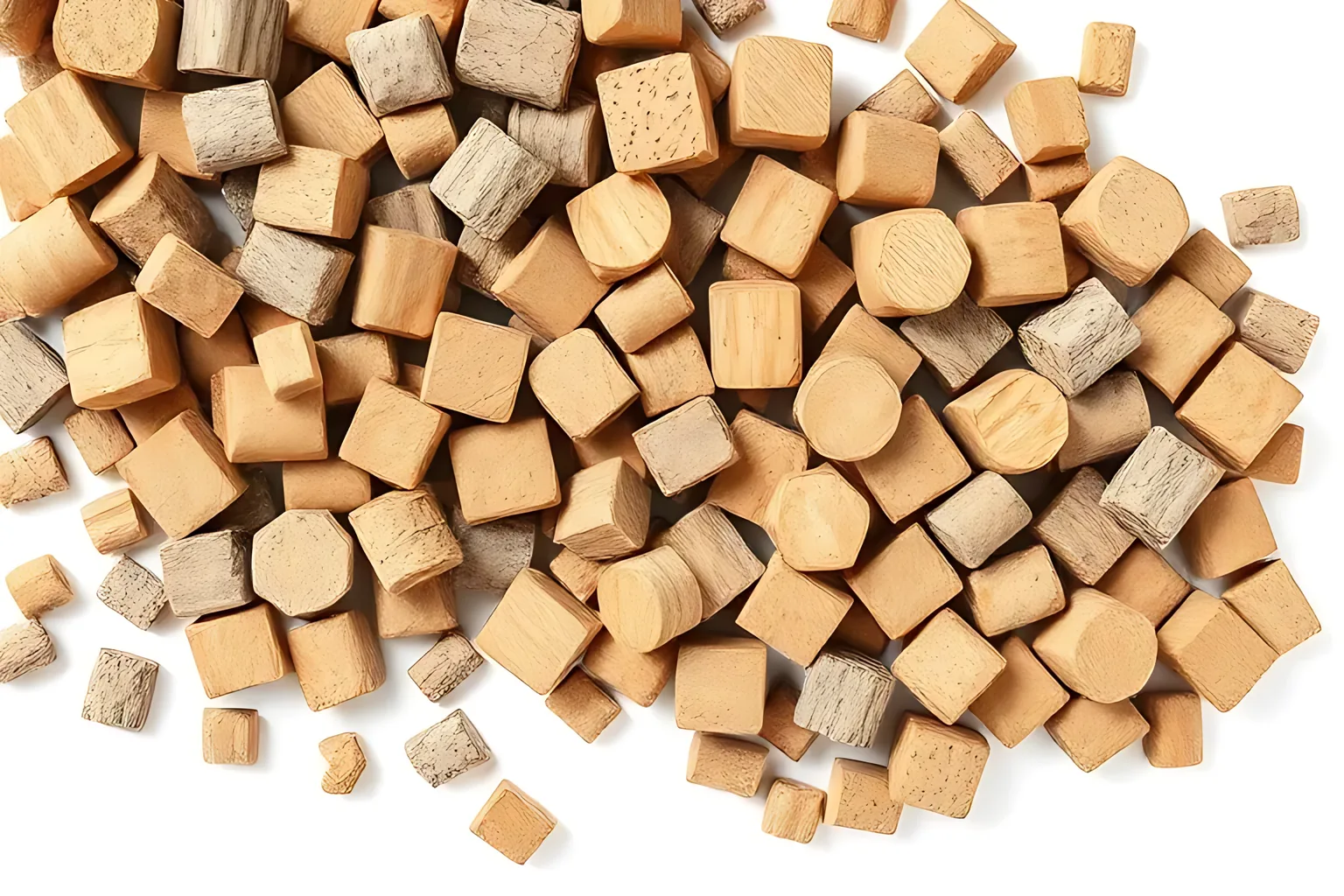
- Pellets are small (6–10 mm), dense and flow like grain, so they suit automatic boiler feeding and bagging.
- Briquettes are larger logs or blocks; the machines are simpler, and they suit manual or grate firing.
Many plants start with one product and add the other once they know their buyers.
The cost drivers
- Raw material – price, distance and how steady the supply is through the year. A plant without a raw-material plan is a plant that stands still.
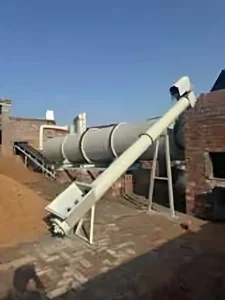
- Drying – wet residues need a dryer and fuel to run it. Drying is often the largest operating cost after raw material.
- Electricity – grinders and pellet mills are the biggest consumers; plan for the connected load and the tariff.
- Wear parts – dies, rollers, hammers and screens wear faster on abrasive residues such as rice husk.
- Labour and packing – automation and bulk delivery reduce both.
A simple way to test the idea
For one ton of finished fuel, add up raw material, drying fuel, electricity, wear parts, labour, packing and transport. Compare that with the price your buyer pays for the fuel it will replace, per unit of heat delivered. If the margin covers the investment in a few years at realistic running hours, the project is worth detailed design.
Who buys biomass fuel
Industries with boilers and hot-air generators – textiles, food processing, poultry and many others – use biomass to cut part of their fuel bill. A long-term supply agreement with one or two buyers makes financing a plant much easier.
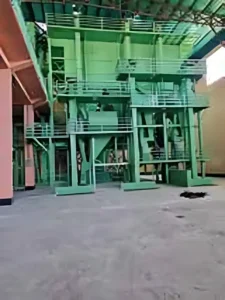
SEMZON designs complete biomass pellet plants, from grinding and drying to pelleting and packing – see the 2 t/h plant we built for Vibro Bio Energy. Share your raw material and target capacity and we will help you work out the numbers.
Frequently asked questions
Which raw material is best for biomass pellets?
Clean sawdust and wood waste are the easiest to pellet. Agricultural residues work well too, but some – such as rice husk – are more abrasive and need more drying or more frequent die changes.
Do I need a dryer?
If your raw material arrives wetter than the pelleting window, yes. Many plants that skip the dryer struggle to reach their rated output.
Can SEMZON help with a feasibility study?
Yes. Send us your raw material, its moisture, the capacity you want and your power supply, and we will propose a line and the main running costs.