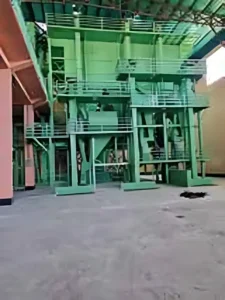
SEMZON Engineering has built a 50-ton-per-day bio-organic phosphate (BOP) fertilizer plant for Auriga BOP in Nooriabad, Karachi. The plant turns a blend of raw materials and additives into round, dry granules that are easy to spread and store.
How the granulation line works
- Storage bins and elevators hold and lift the raw materials into the process.
- A dual-agitator blender mixes the raw materials and additives into an even blend.
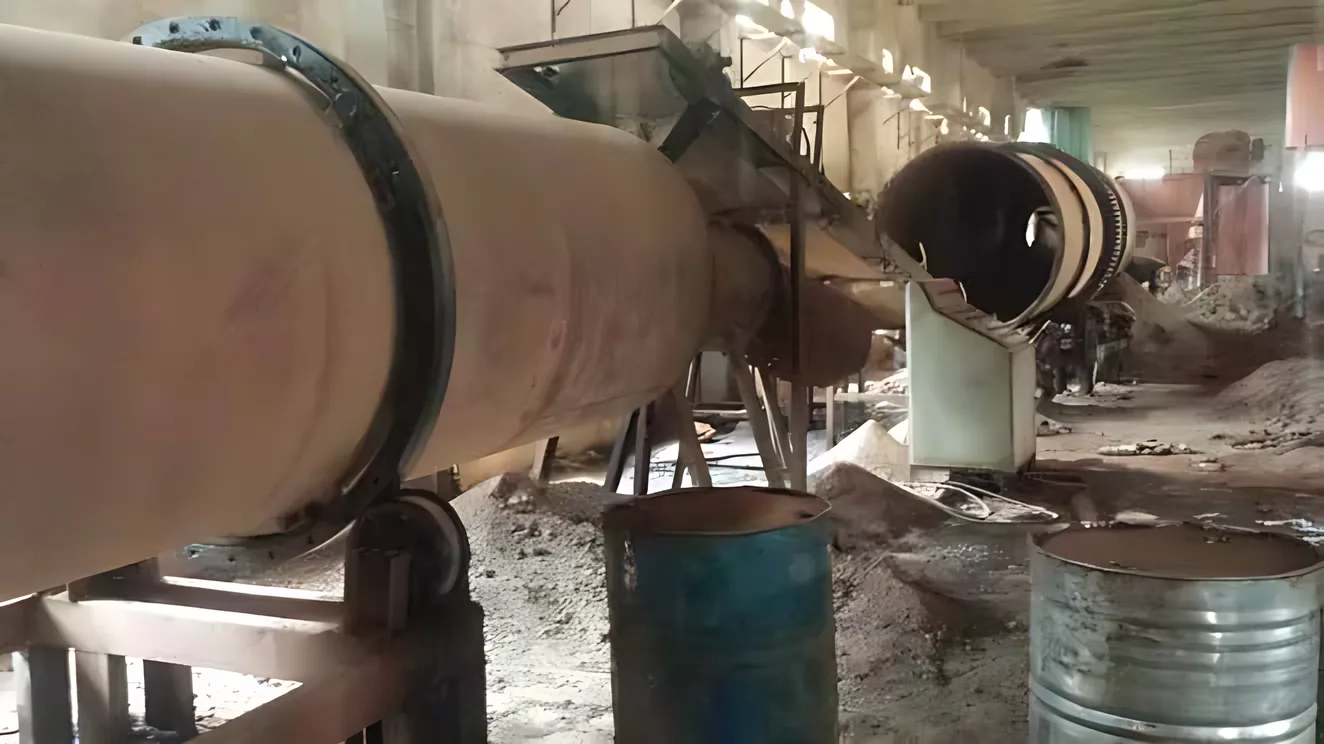
- A rotary granulator rolls the blend into round granules.
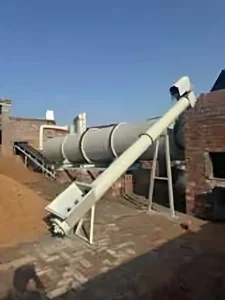
- Two 33 ft rotary dryers remove moisture and harden the granules; cyclones and blowers capture dust from the exhaust air.
- A screener and rotary separator separate on-spec granules from oversize and fines, which return to the process.
- The packing section fills the finished fertilizer into bags; belt conveyors link every stage.
Why granules instead of powder
Granulated fertilizer flows freely, does not cake as easily in storage and spreads evenly in the field. Uniform granule size also means less dust during handling and a product that looks and performs consistently from bag to bag – an important point for brands selling to farmers.
Key figures
| Item | Auriga BOP plant |
|---|---|
| Capacity | 50 t/day |
| Product | Bio-organic phosphate granules |
| Drying | Two rotary dryers, 33 ft each, with cyclones and blowers |
| Location | Nooriabad, Karachi |
The same equipment can be configured for compost, organic and NPK fertilizers. See our agricultural and fertilizer systems, the agriculture and fertilizer industry page and the full Auriga BOP project. Planning a fertilizer plant? Request a layout and quotation.