SEMZON Engineering

Agricultural systems

Fertilizer Plants & Agricultural Processing Systems

SSP, BOP, NPK and organic compost fertilizer plants from 50 to 200 tons per day, plus grain pre-cleaning systems that protect your downstream equipment.

Grain pouring from an intake chute at an agricultural plant

50–200 TPD

SSP & BOP plants

50–200 t/day

SSP & BOP fertilizer plants

50–100 t/day

Organic compost units

33–48 ft

Rotary dryers we fabricate

CP series

Maize pre-cleaning units

Fertilizer & grain

Granulation Lines for Pakistan’s Farms

SEMZON builds complete granulation lines for single super phosphate (SSP), bio organic phosphate (BOP), NPK and compound fertilizers, and for organic compost made from municipal and farm waste.

A typical line includes material intake and storage bins, a dual-agitator blender, a rotary granulator, primary and secondary rotary dryers (33 ft and 48 ft in our recent plants), cyclones and blowers for dust collection, a rotary separator that recycles oversize and fines, and automatic packing. SSP plants add an acid dilution system, ribbon mixer, curing den and fume scrubber.

Recent references include a 50 t/day BOP plant and a 50 t/day SSP plant in Nooriabad, Karachi, and a 50 t/day organic compost line in Quetta. For grain handlers we supply CP series maize pre-cleaners that remove stones, dust and metal before drying, milling or storage.

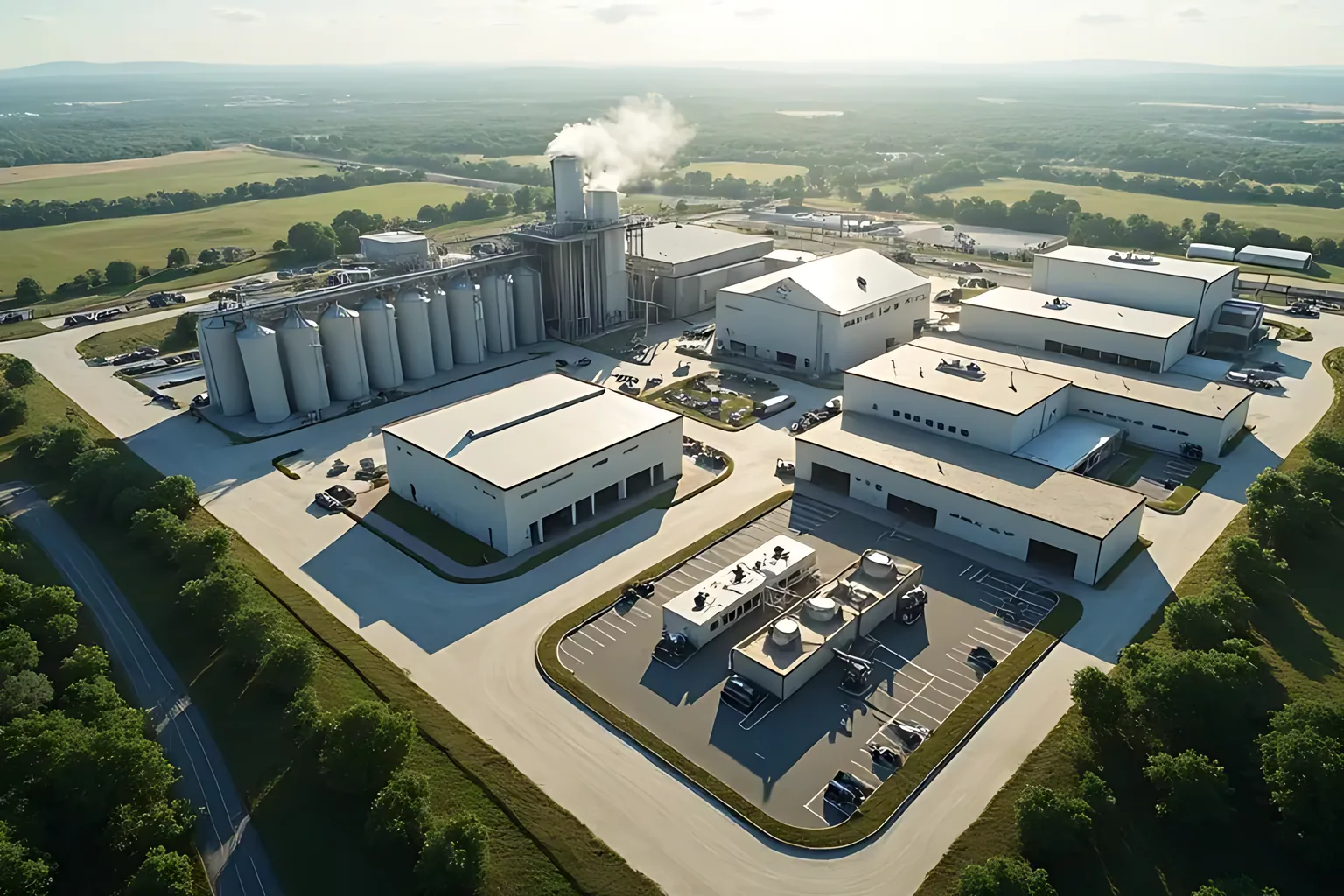
Aerial view of an industrial processing plant with silos

Plants from 50 to 200 tons per day

Process flow

How a Fertilizer Granulation Plant Works

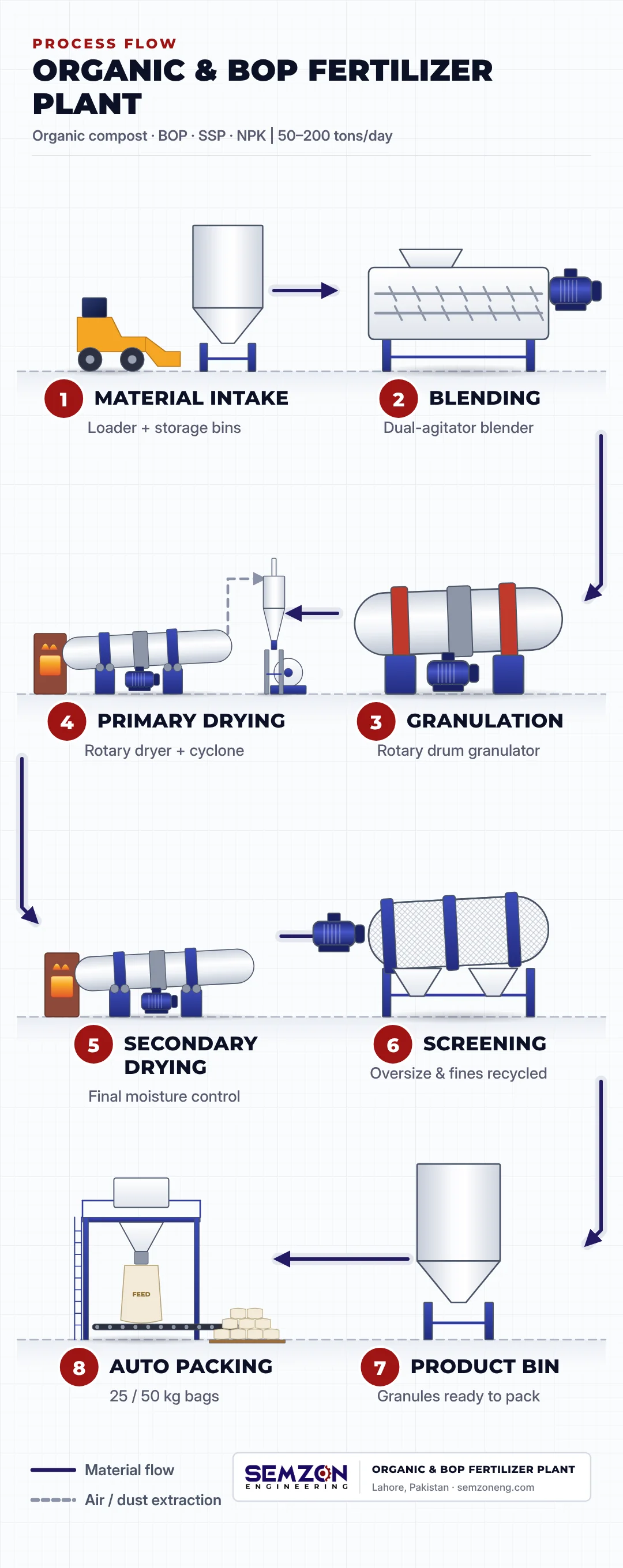
Our organic and BOP fertilizer lines follow eight stages. The numbers on the diagram match the steps below.

Step by step

Stage-by-Stage Process

Step 1

Material intake

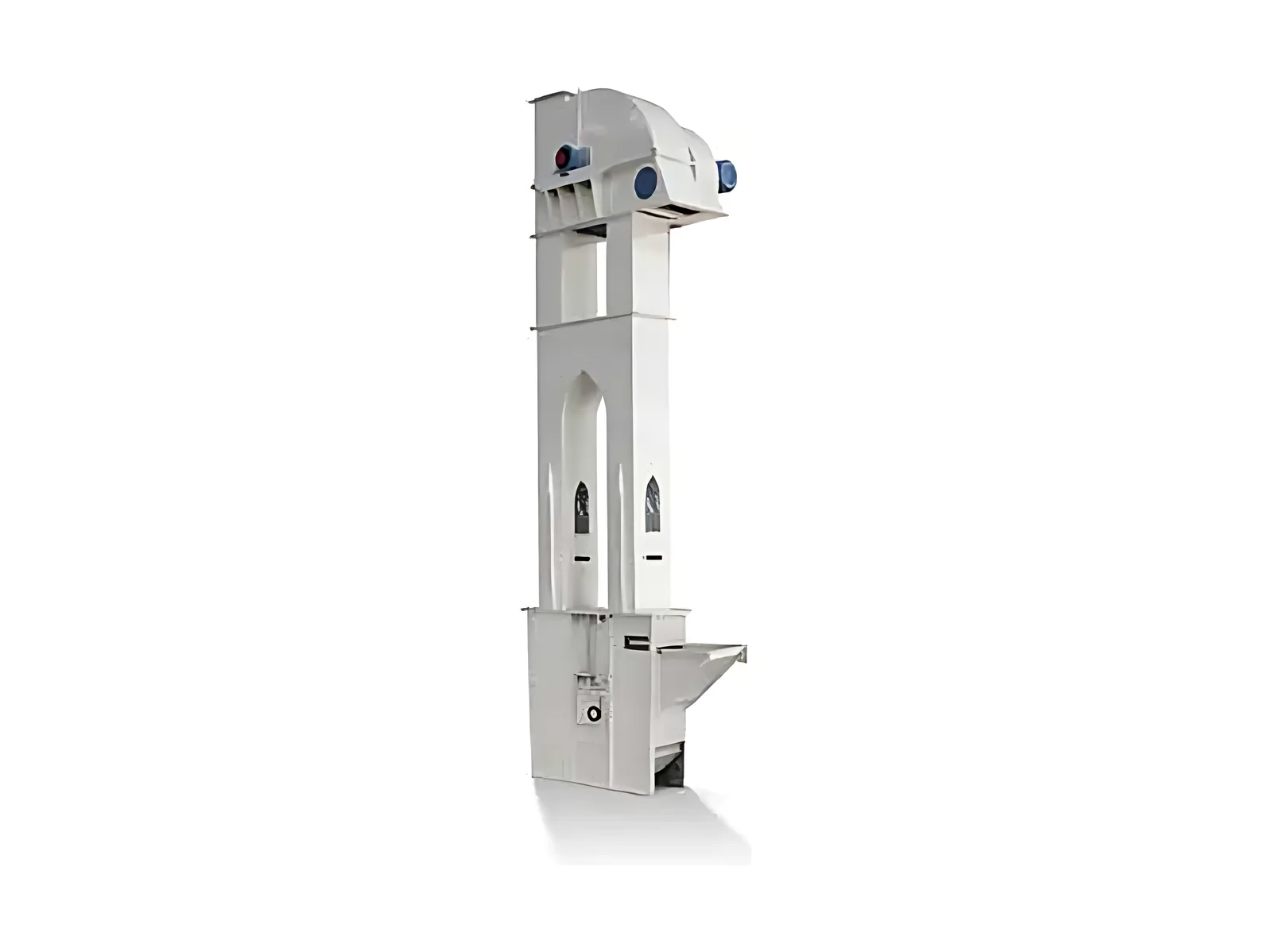
Raw materials such as rock phosphate, compost or organic waste are loaded by front loader into storage bins and lifted by bucket elevator.

Step 2

Blending

A dual-agitator blender mixes the raw materials with additives and moisture into a uniform feed for granulation.

Step 3

Granulation

A rotary granulator rolls the blended material into round granules of the target size.

Step 4

Primary drying

A rotary dryer with a heating furnace removes most of the moisture. Cyclones and blowers capture dust from the exhaust.

Step 5

Secondary drying

A second, longer rotary dryer finishes the drying and hardens the granules so they do not break during handling.

Step 6

Screening

A rotary separator (trommel screen) splits the product. Oversize and fines are crushed and returned to the granulator.

Step 7

Product bin

On-spec granules are stored in a product bin ahead of packing.

Step 8

Auto packing

Automatic packing scales fill 25 or 50 kg bags with accurate weights for dispatch.

Equipment we supply

Equipment for Fertilizer & Grain Lines

Every machine is designed and built for continuous industrial duty. Open a machine for full specifications.

CP series

Light, big & small impurities · Dust, stones & ferrous particles

Material handling

15 – 280 m³/h · 5 – 120 m³/h

SDBLY-PD

15 – 50 kg · SDBLY-PD belt scale

Automation

Grinding, mixing, conveying, pelleting, cooling, packing · Ladder logic, function block, structured text

SHGW series

4.5 – 12 t/h · 48 – 88 m²

Feed mill parts

Slide gates, diverters, wing gates · Fans, cyclones, air locks

CP series maize pre-cleaning unit with cyclone
Maize cleaning stages: raw grain, light impurities, big impurities, small impurities and final product
Grain pre-cleaning

CP Series Maize Pre-Cleaner

Remove coarse impurities, fines, dust, stones and ferrous particles from raw maize before drying, milling or storage. Clean grain reduces wear on downstream equipment and improves storage life.

Specifications

Fertilizer Plants We Build

Standard plant types and the capacities we supply, with a reference project for each.

Fertilizer plant types
Plant typeCapacityMain equipmentReference
Single Super Phosphate (SSP)50–200 t/dayAcid dilution system, ribbon mixer, curing den, fume scrubber, rotary granulator, heating furnace, rotary dryer, separatorPak Pansy Fertilizer, Nooriabad – 50 t/day
Bio Organic Phosphate (BOP)50–200 t/dayBlender, granulator, primary & secondary dryers, cyclones, separatorAuriga BOP, Nooriabad – 50 t/day
Organic compost50–100 t/dayBlender, granulator, dryers 33 ft & 48 ft, rotary separator, auto packingQuetta Waste Management Co. – 50 t/day
NPK & compound fertilizerOn requestDesigned to your formula and capacity—
Our projects

Recent Projects

Plants we have designed, built and commissioned.

Explore more

Related Solutions & Industries

Wood pellet plants that turn sawdust and crop residue into fuel.

Turnkey poultry, cattle and fish feed mills from 2 to 60 t/h.

Machines, tanks, conveyors and structures built to your specification.

Pelleting lines with SZLH ring die mills, coolers and crumblers.

Fertilizer manufacturers, compost producers and grain handlers.

FAQ

Fertilizer
Questions

Straight answers to the questions our engineers hear most about agricultural systems.

Still have questions?

Talk directly with our engineering team for a tailored consultation.

What capacity fertilizer plants do you build?

SSP and BOP plants from 50 to 200 tons per day and organic compost units from 50 to 100 tons per day. NPK and compound fertilizer lines are designed to order.

BOP (bio organic phosphate) combines rock phosphate with organic matter and beneficial microbes, while compost plants process organic waste alone. Both use blending, granulation, drying and screening, so the equipment is similar.

Yes. Our SSP plants include acid storage and an acid dilution system, the ribbon mixer and curing den, a fume scrubber, and the granulation, drying and screening section.

Yes. Our 50 t/day line for the Quetta Waste Management Company turns organic waste into granulated compost fertilizer.

It removes coarse impurities, fines, dust, stones and ferrous particles from raw maize before drying, milling or storage. This reduces wear on downstream equipment and improves storage life.

Let’s Build Your Industrial Solution

Tell us about your capacity, raw material and site. Our engineering team will design a custom turnkey solution tailored to your exact requirements and budget.