Cities across Pakistan generate a steady stream of plastic waste – bottles, films, crates, containers and packaging. Collected and processed properly, much of it can return to manufacturers as clean flakes or granules. The opportunity is real, but the businesses that succeed are the ones that plan their feedstock and process carefully.
Which plastics to target
- PET – drinks and water bottles; clean, washed flakes are in demand.
- HDPE – containers, crates and drums; recycled into pipes, buckets and new containers.
- LDPE and LLDPE films – shopping bags and packaging films; recycled into granules for film blowing.
- PP – caps, woven bags and household items; recycled into moulding granules.
Starting with one or two clean, well-defined streams is easier than processing mixed waste.
How a recycling line works
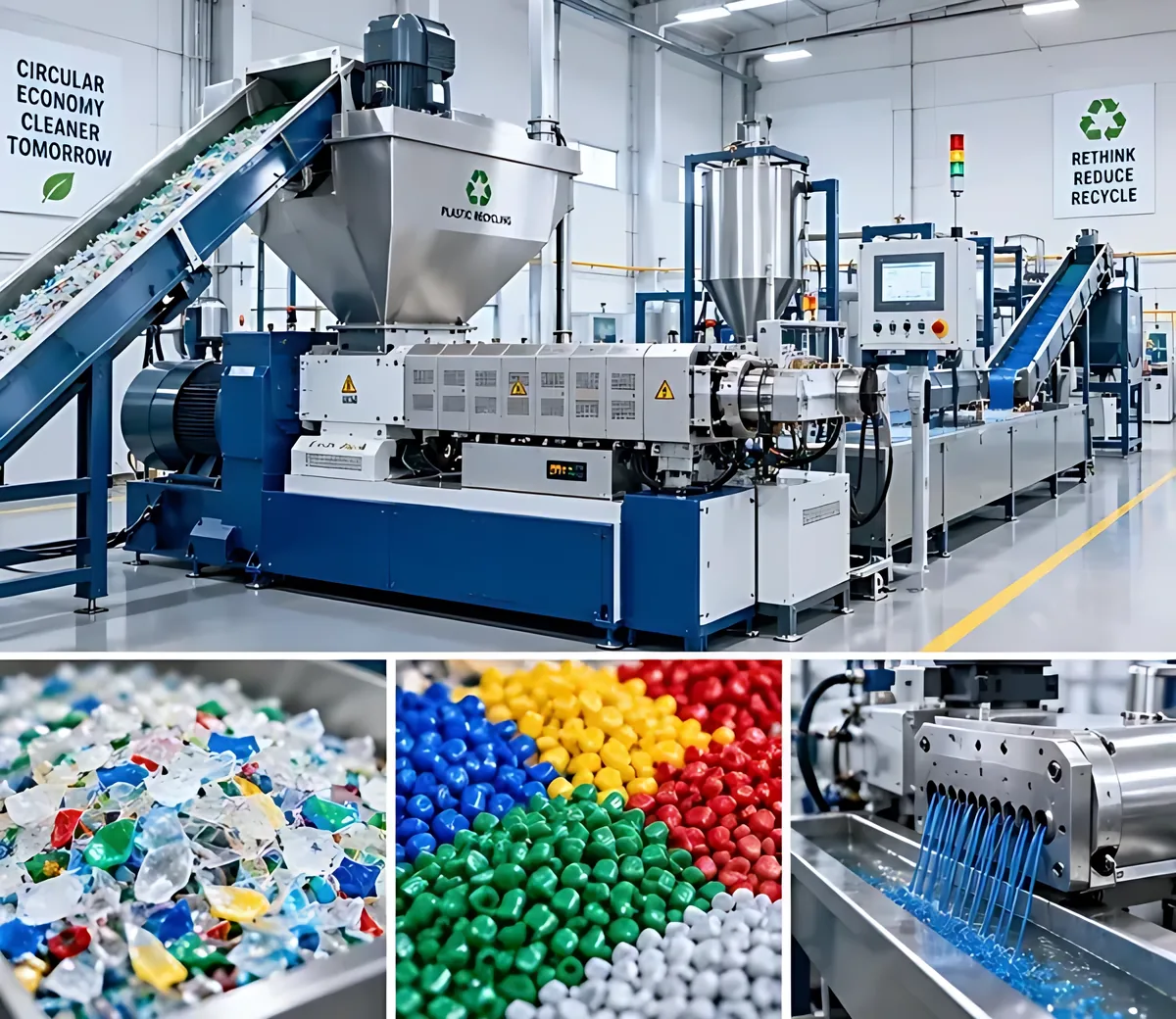
- Sorting – separating plastics by type and colour, and removing labels, metals and dirt.
- Size reduction – shredders and crushers cut the material into flakes.
- Washing – friction and float-sink washers remove sand, paper and oils.
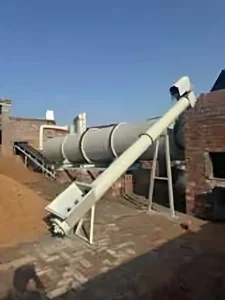
- Drying – mechanical and thermal dryers bring the flakes to low moisture.
- Extrusion and pelletizing – the flakes are melted, filtered and cut into uniform granules.
What to plan before investing
- A reliable feedstock supply and price, ideally under contract.
- Water supply and treatment for the washing section.
- Power for shredders and extruders.
- Buyers who will take your flakes or granules at a known specification.
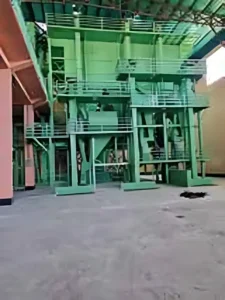
SEMZON designs and builds plastic recycling machinery and supports waste projects such as the Quetta Waste Management compost plant. Read more on our recycling industry page, or tell us about your waste stream.
Frequently asked questions
Which plastic is easiest to start with?
Clean, single-type streams such as HDPE containers or PET bottles are easier than mixed household waste, because sorting and washing are simpler.
Do I need a washing line?
For post-consumer waste, almost always. Buyers pay for clean flakes and granules; dirty material lowers the price or is rejected.
What does a recycling line produce?
Clean flakes after washing and drying, or uniform granules after extrusion and pelletizing – ready for manufacturers of pipes, films, containers and moulded products.