Complete feed production lines from 2 to 60 tons per hour — designed, manufactured, installed and commissioned by SEMZON Engineering from our works in Lahore.
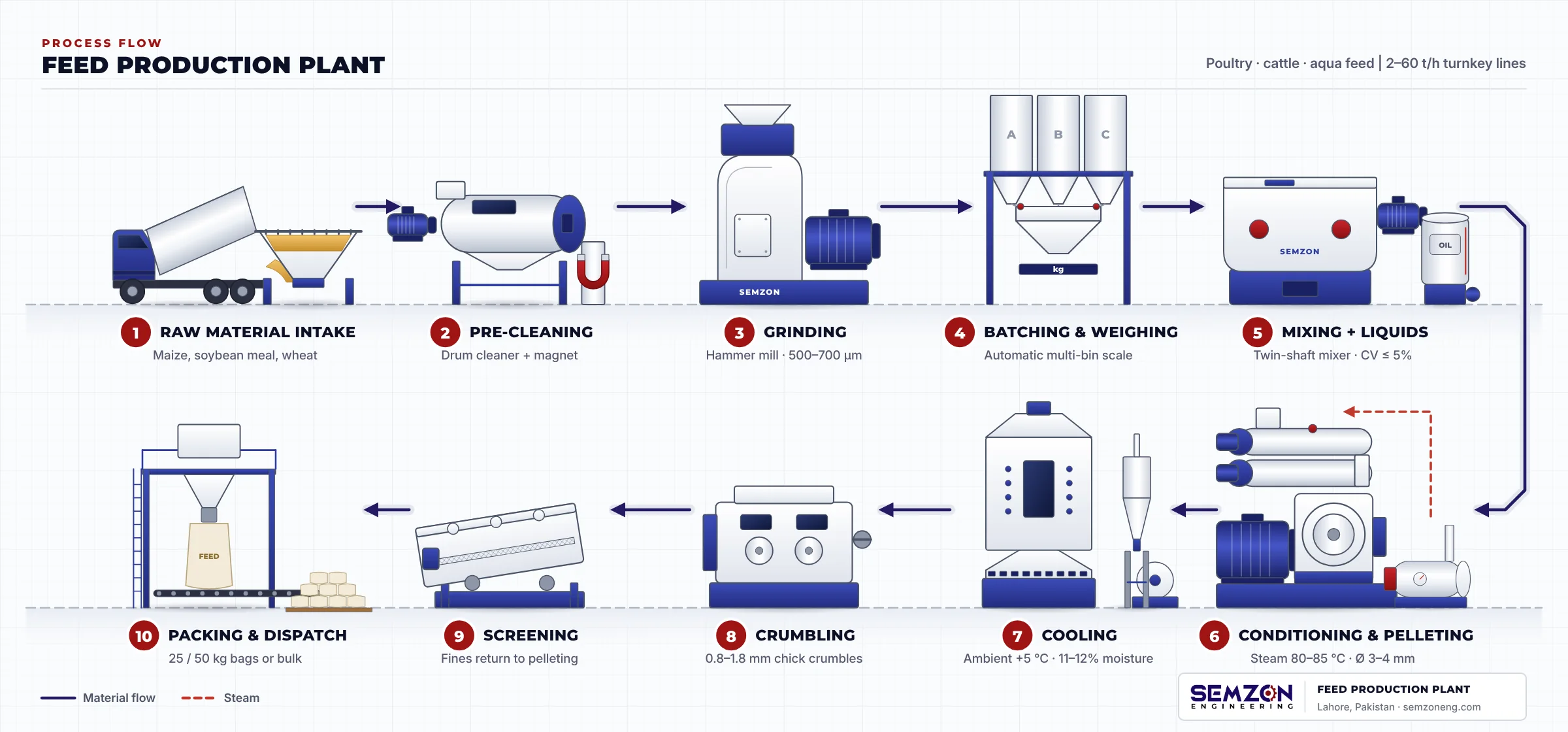
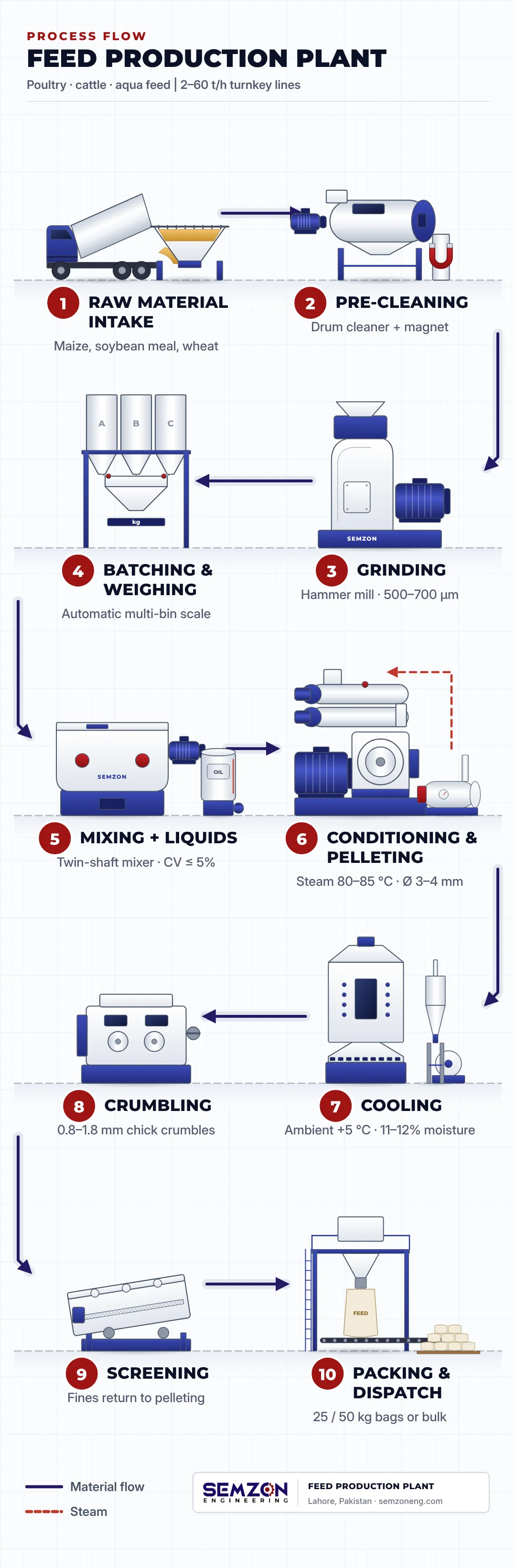
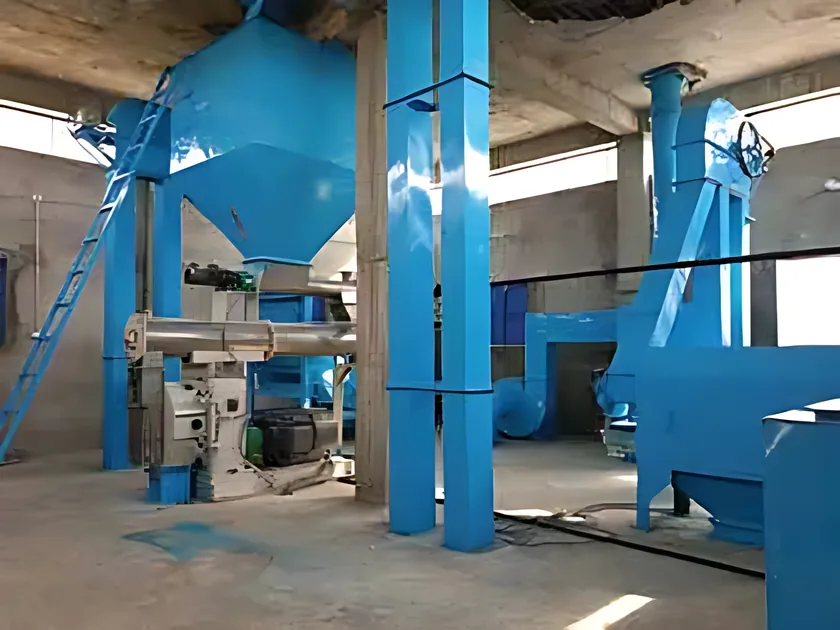
A feed mill is only as good as its weakest machine. SEMZON engineers the whole line as one system — receiving, cleaning, grinding, batching, mixing, liquid addition, steam conditioning, pelleting, cooling, crumbling, screening and packing — so every section is sized for the same throughput.
We build lines for broiler, layer and breeder feed, cattle feed (wanda) and, with an extruder and dryer, extruded fish and pet feed. Output can be mash, crumbles or pellets from the same plant.
Our scope covers process design, plant layout and steel structure, machine manufacturing, MCC and PLC panels, steam boiler integration, installation, commissioning and operator training. Recent lines include a 20 t/h automated plant for Albadar Feed in Kabul and 10–20 t/h plants in Gujranwala and Kasur.
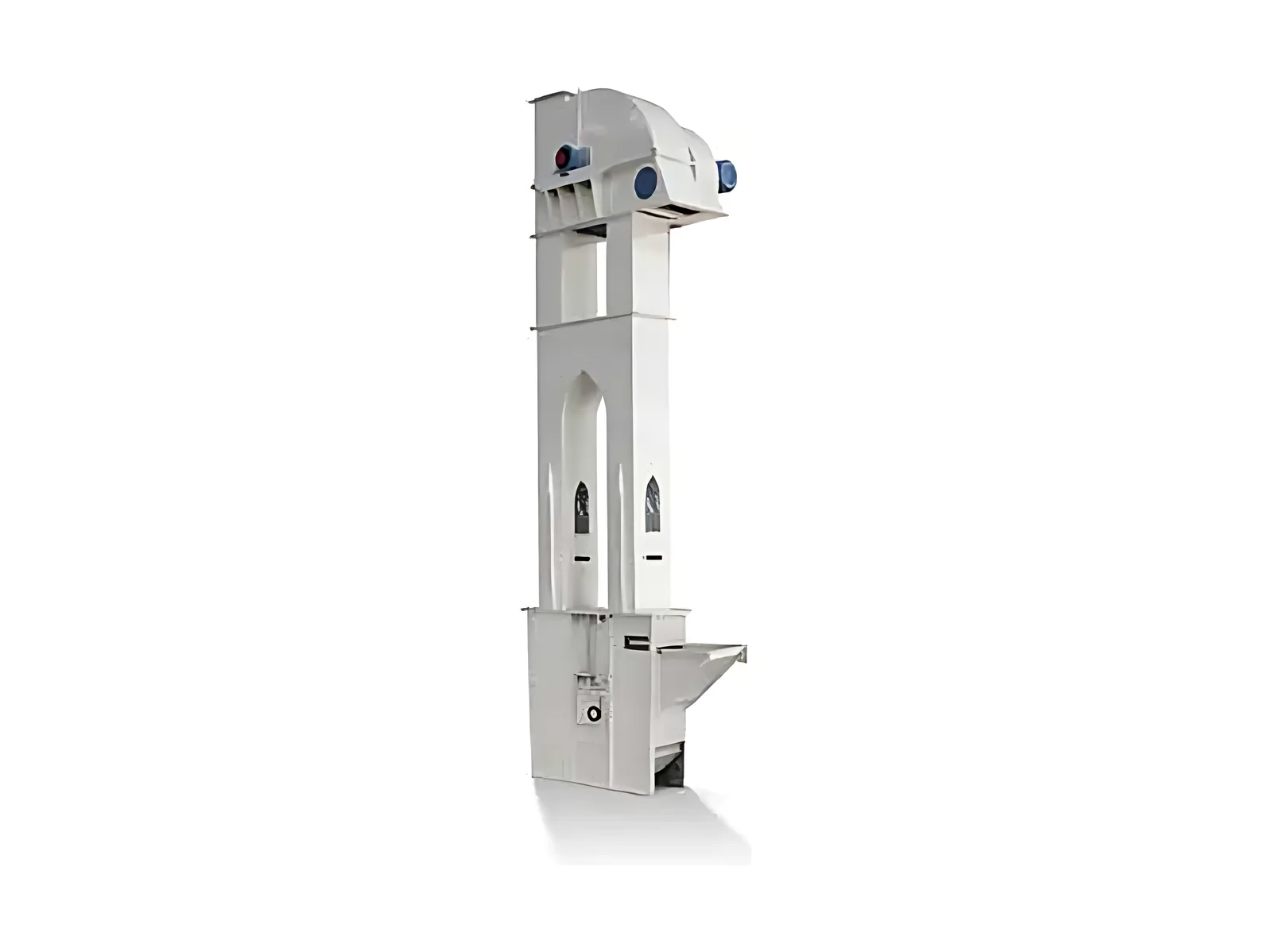
Maize, wheat, soybean meal, canola meal and other ingredients are received in bulk or bags through an intake hopper with grating and lifted by bucket elevator to the storage bins.
02
Step 2
Pre-cleaning
A drum cleaner and permanent magnet remove dust, husk, stones and metal pieces. This protects the hammer mill and pellet mill and keeps the feed clean.
03
Step 3
Grinding
SMSP hammer mills grind grains to 500–700 µm. Screens from 1 mm to 5 mm set the particle size for mash, crumble or pellet feed.
04
Step 4
Batching & weighing
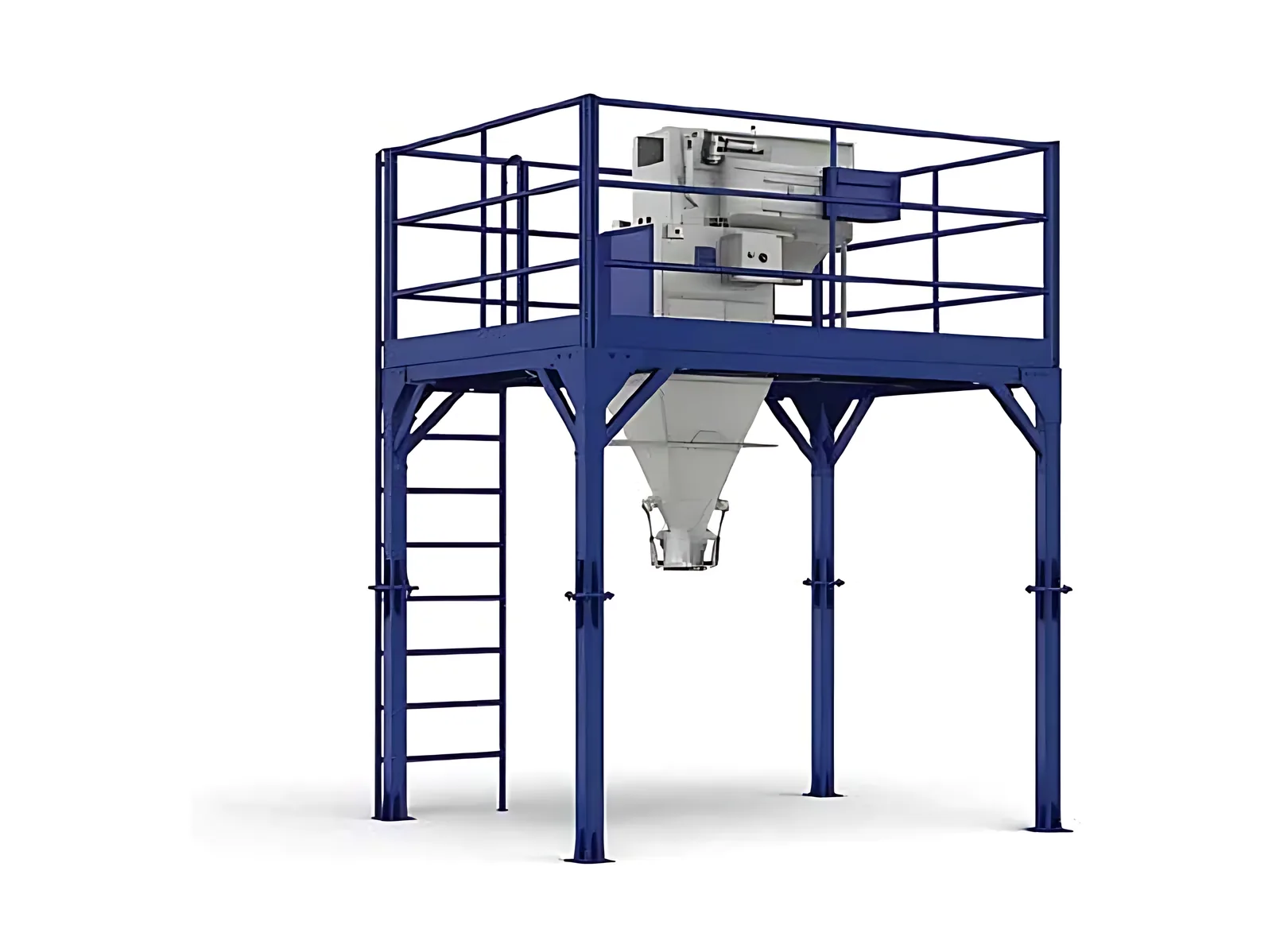
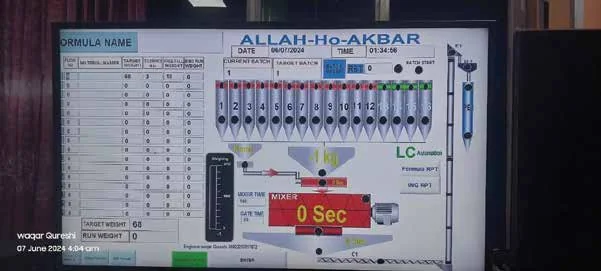
Ingredients are dosed from the bins into an electronic weighing hopper. The PLC follows your recipe and records every batch.
05
Step 5
Mixing + liquids
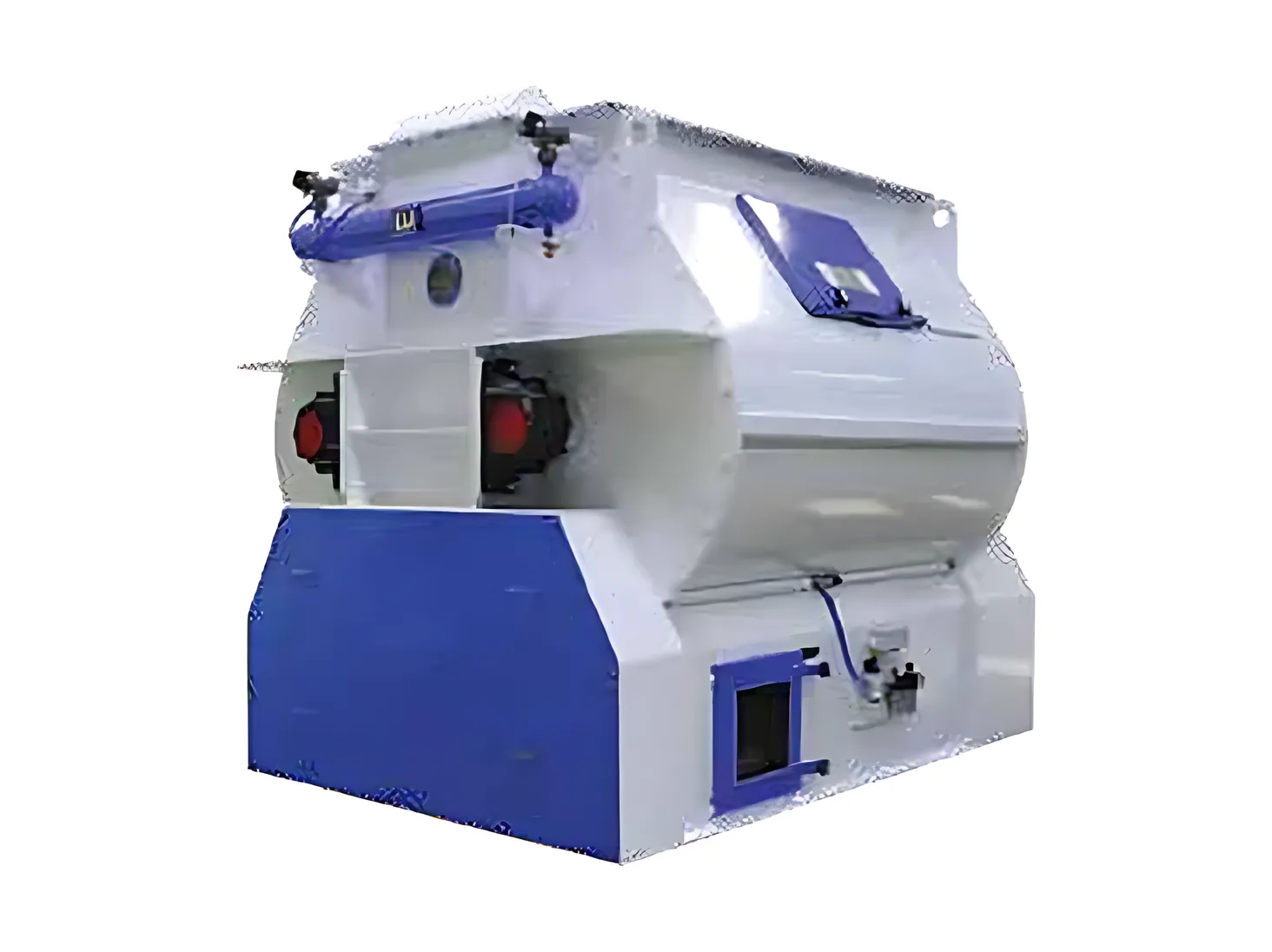
A twin-shaft paddle mixer blends macro, micro and liquid ingredients such as oil and molasses to a uniformity of CV ≤ 5% in about 90–120 seconds.
06
Step 6
Conditioning & pelleting
Mash is conditioned with steam at 80–85 °C and 15–17% moisture, then pressed through the ring die of an SZLH pellet mill into durable 3–4 mm pellets.
07
Step 7
Cooling
A counterflow cooler brings pellets down to ambient +5 °C and reduces final moisture to 11–12% for safe storage and longer shelf life.
08
Step 8
Crumbling
For chick starter feed, a four-roll crumbler breaks pellets into 0.8–1.8 mm crumbles while keeping a uniform size and structure.
09
Step 9
Screening
A vibration screener separates fines and oversized particles. Fines return to the pellet mill, so nothing is wasted.
10
Step 10
Packing & dispatch
Automatic packing scales fill 25 or 50 kg bags with accurate weights and batch labels, or the feed is dispatched in bulk.
Equipment we supply
Machines in This Line
Every machine is designed and built for continuous industrial duty. Open a machine for full specifications.
Indicative configurations for corn–soy poultry feed, built from our standard model range. Our engineers confirm the final sizing for your recipes and raw materials.
Feed line configurations
Line capacity
Pellet mill
Hammer mill
Mixer
Cooler
2–5 t/h
SZLH350 (2–5 t/h, 55 kW)
SMSP600×450 (3–6 t/h)
SMSJ1 (500 kg/batch)
SKLN2.5 (6 t/h)
5–10 t/h
SZLH420 (5–12 t/h, 110 kW)
SMSP965×400 (5–10 t/h)
SMSJ2 (1,000 kg/batch)
SKLN4 (10 t/h)
10–20 t/h
SZLH578 (10–20 t/h, 160/185 kW)
SMSP965×600 (15–20 t/h)
SMSJ4 (2,000 kg/batch)
SKLN8 (20 t/h)
20–35 t/h
SZLH768 (20–35 t/h, 250–315 kW)
SMSP965×800 (20–35 t/h)
SMSJ6 (3,000 kg/batch)
SKLN12 (30 t/h)
Plants above 35 t/h use two or more pelleting lines. Hammer mill capacities are rated on corn with ≤12% moisture and a 3 mm screen.
Most commercial poultry feed mills in Pakistan run between 5 and 20 tons per hour. We size the plant from your daily output target, number of shifts, recipes (mash, crumble or pellet) and planned expansion, then recommend the matching pellet mill, hammer mill and mixer.
How much does a feed mill plant cost in Pakistan?
The price depends on capacity, level of automation (manual, semi-automatic or full PLC), building and steel structure, boiler and packing scope. Send us your requirement and we will prepare a quotation with a machine list and plant layout.
Can one plant make poultry, cattle and fish feed?
Poultry and cattle (wanda) feed can be produced on the same pelleting line by changing the ring die and recipe. Extruded fish feed needs an extruder and dryer, which we add as a separate line or a later expansion.
How long does it take to build a feed mill?
A standard feed line usually takes 3 to 6 months from design approval to commissioning. Larger plants and plants that need new buildings take longer; we share a detailed schedule with every proposal.
Do you provide installation, training and spare parts?
Yes. Our team installs and commissions the plant, trains your operators and supplies wear parts such as ring dies, rollers, hammers and screens from Lahore.
Do you build feed plants outside Pakistan?
Yes. We installed a 20 t/h fully automated poultry feed line for Albadar Feed in Kabul, Afghanistan, and we quote projects for the UAE and other markets.
Start Your Project
Let’s Build Your Industrial Solution
Tell us about your capacity, raw material and site. Our engineering team will design a custom turnkey solution tailored to your exact requirements and budget.