Standalone pelleting sections built around SZLH ring die pellet mills — from steam conditioning to cooling, crumbling, screening and packing — for feed, biomass and fertilizer pellets.
The pelleting section decides your pellet quality, power cost and maintenance budget. SEMZON supplies it as a matched set: feeder, steam conditioner, ring die pellet mill, counterflow cooler, crumbler and screener, sized for the same capacity and controlled from one panel.
The SZLH ring die pellet mills we supply cover 2 to 35 t/h with die diameters from 350 mm to 768 mm: high power and large output, stable operation, easy maintenance, a small footprint and low noise. With the right die and conditioning, the same platform produces poultry and cattle feed and biomass fuel pellets.
Already running a mash feed plant? We add a complete pelleting section to your existing mixer and bins — including steam boiler, cooler and screening — so you can sell pellets and crumbles without rebuilding the mill.
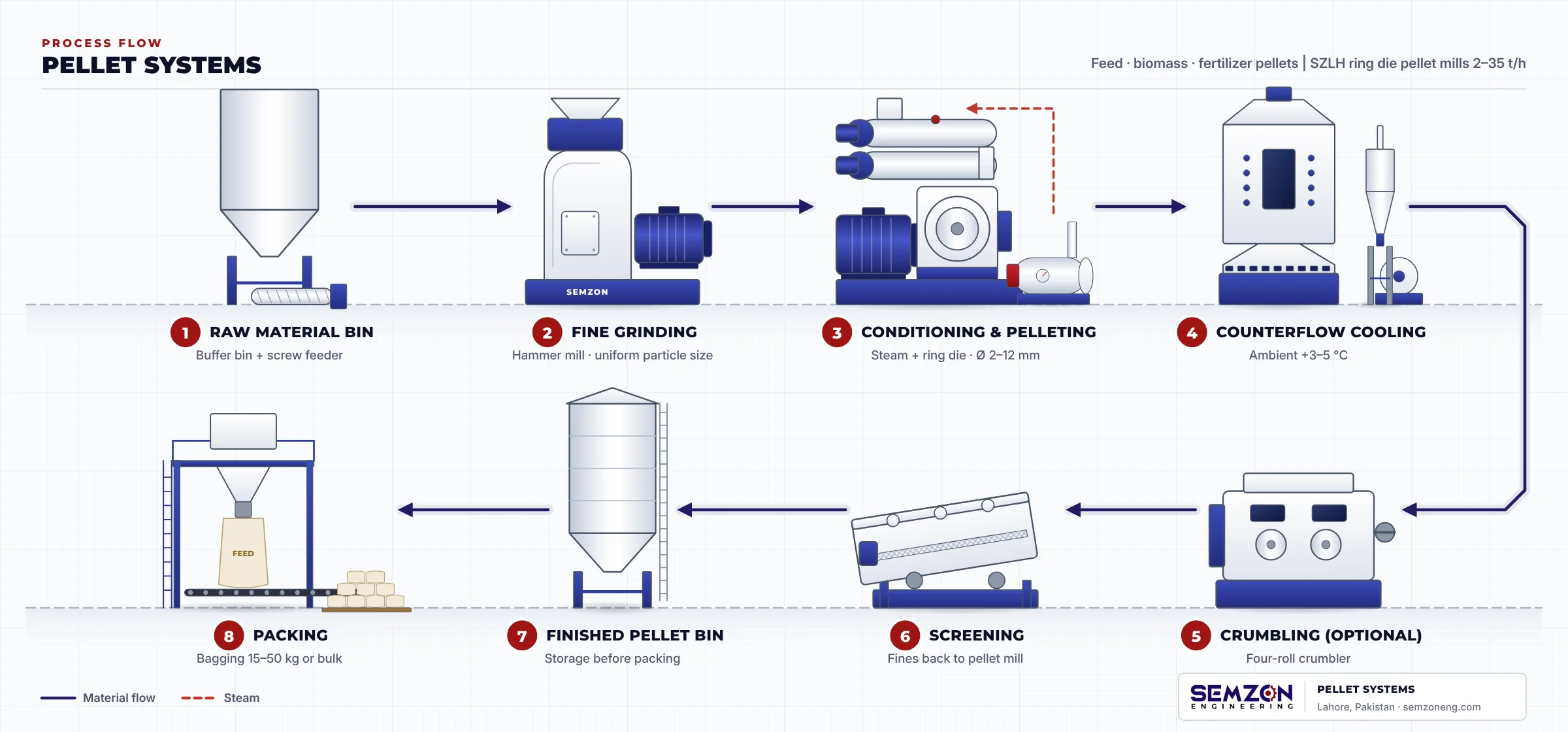
Ground mash or prepared biomass is held in a buffer bin above the line. A variable-speed screw feeder doses a steady flow into the conditioner.
02
Step 2
Fine grinding
If the material is not ground yet, an SMSP hammer mill brings it to a uniform particle size — the key to strong pellets and long die life.
03
Step 3
Conditioning & pelleting
Steam from the boiler heats and softens the mash in the conditioner. The SZLH pellet mill then presses it through the ring die into pellets of the required diameter.
04
Step 4
Counterflow cooling
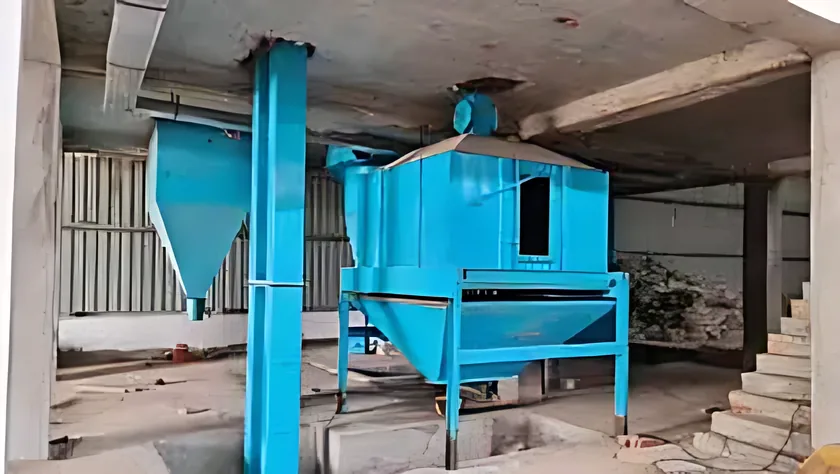
Hot pellets enter an SKLN counterflow cooler, where air flows against the product so pellets leave at no more than 3–5 °C above room temperature.
05
Step 5
Crumbling (optional)
For starter feed, an SSLG four-roll crumbler breaks pellets into crumbles. Its two grinding zones double the output compared with a twin-roll design.
06
Step 6
Screening
An SFJH vibration screener removes fines and oversize. Fines go back to the pellet mill so you only pack finished pellets.
07
Step 7
Finished pellet bin
Screened pellets are stored in finished-product bins, ready for packing or bulk loading.
08
Step 8
Packing
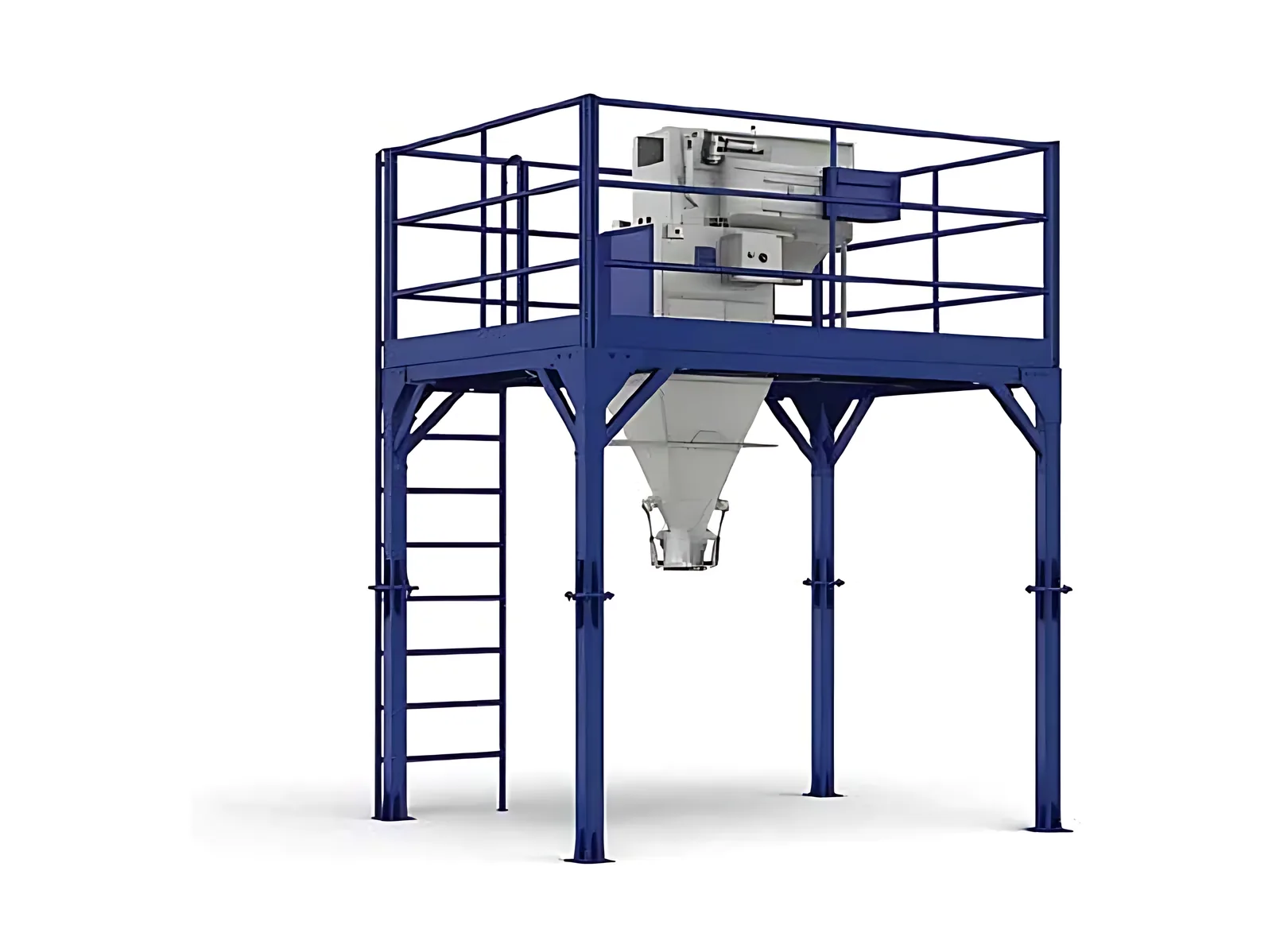
Automatic packing scales fill 15 to 50 kg bags with consistent weights, or pellets are dispatched in bulk.
Equipment we supply
Machines in This Line
Every machine is designed and built for continuous industrial duty. Open a machine for full specifications.
Start from the hourly output you need and the material you will pellet. Feed pellets press easier than wood or fertilizer, so the same mill gives lower capacity on biomass. We recommend the SZLH model after checking your recipe, pellet size and power supply.
Ring die or flat die pellet mill?
Ring die pellet mills are built for continuous industrial production: higher capacity, better pellet quality and lower cost per ton. Flat die machines suit small, occasional production. All SEMZON pelleting lines use ring die mills.
What pellet sizes can I produce?
Pellet diameter is set by the ring die holes. Poultry feed is usually 3–4 mm, cattle feed larger, and biomass pellets 6–10 mm. You can change dies on the same mill to make different products.
Can you add pelleting to my existing mash feed plant?
Yes. We design a pelleting section — conditioner, pellet mill, boiler, cooler, crumbler and screener — that connects to your existing mixer and bins, usually with minimal changes to the building.
Do you supply replacement ring dies and rollers?
Yes. Ring dies, roller shells and other wear parts are available for SZLH pellet mills. See our Dies & Tooling solutions for details.
Start Your Project
Let’s Build Your Industrial Solution
Tell us about your capacity, raw material and site. Our engineering team will design a custom turnkey solution tailored to your exact requirements and budget.